The saga of the stool and the otters

[A year ago I wrote the first part of this, but never posted it; then I added a new installment this fall, and still sat on the story. But now, following on the heels of last week’s otter post, it feels like a story with a happy ending, just right for Christmas.]

In the summer of 2024, I bought a small folding aluminum camping stool, which I kept by my beaver pond. One day it disappeared. I searched the shore thoroughly, no sign of it. I was mystified: only the animals and I go there.

Two days before Christmas 2024, the pond was now thinly frozen except for the nearby otter holes. To my astonishment, about eight feet out on the ice from where I’d last seen my stool, there was the folded stool:

The only explanation I can come up with is that the otters pulled it out of the pond onto the ice, either because the shiny blue metal looked like a fish, or just for fun. And I’ll also never know whether it was them that dragged it into the water in the first place.

The ice was too thin for me to venture out after it. I tried snagging it with a branch, no luck. Shortly after I wrote that post, there was a thaw, the ice melted, and the stool sank beneath the ice. You might assume the story ended there.

[Part 2, October 2025]

But in the fall, after a summer of drought and low water levels, I was out with some fellow walkers when one of them shouted: “Look what I found in the pond!”
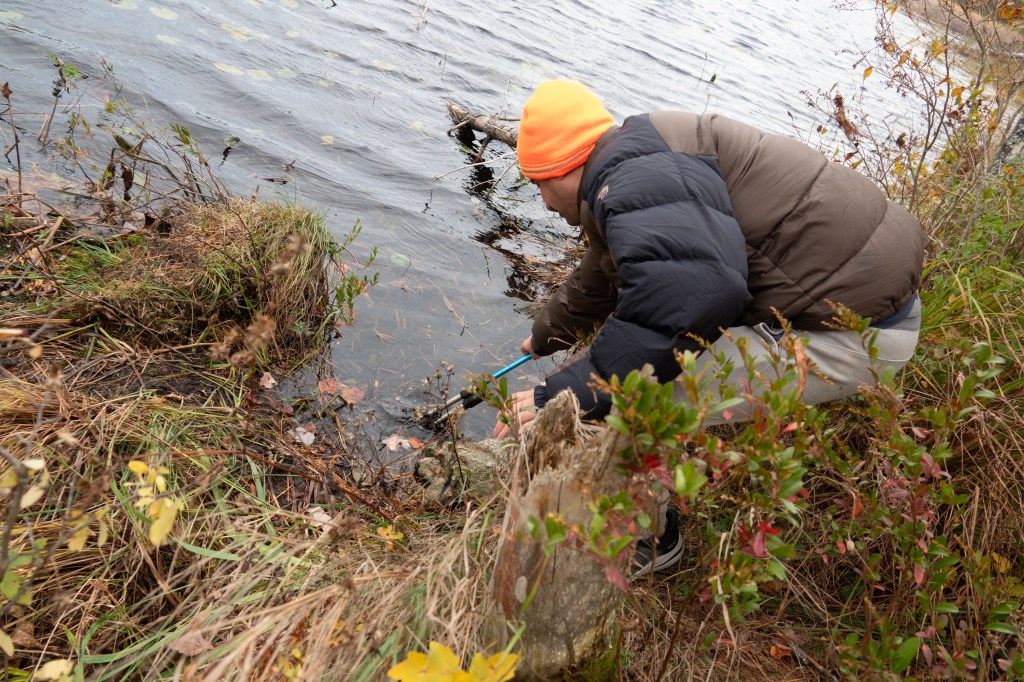
At the very edge of the pond was my stool! It might have drifted there, or the otters might have dragged it, I will never know.
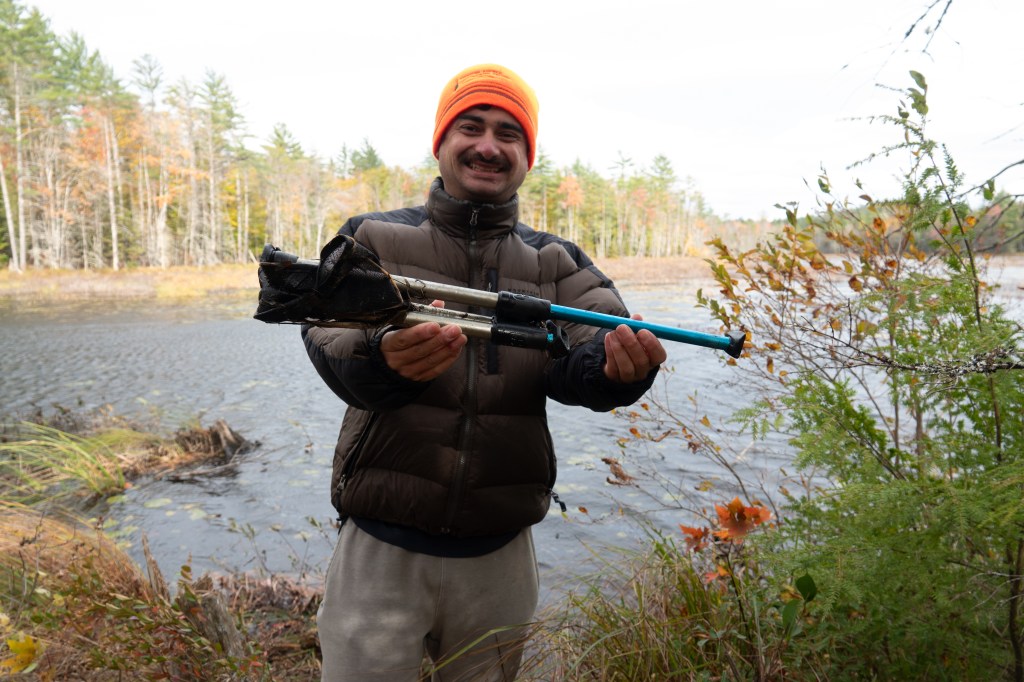
After a rinse, it was good as new.

Have a lovely holidays.
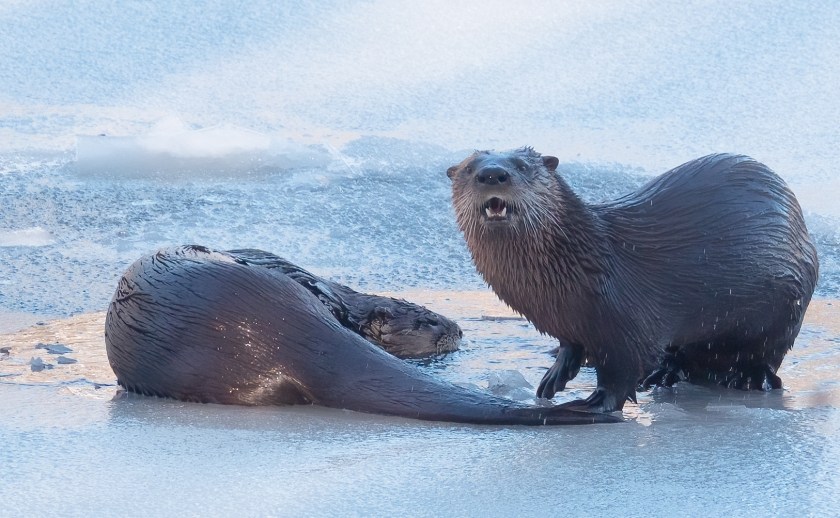
The only possible word is sleek

[Back to Lovell, Maine, for now.]

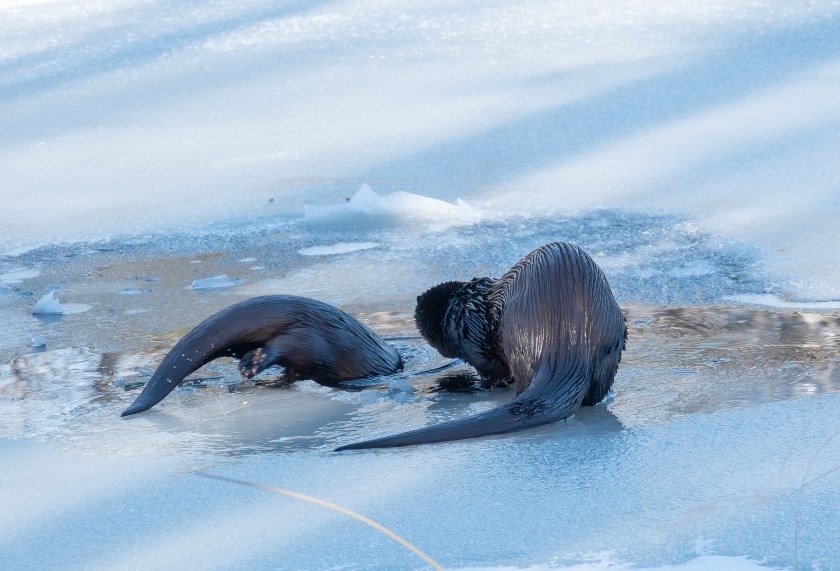
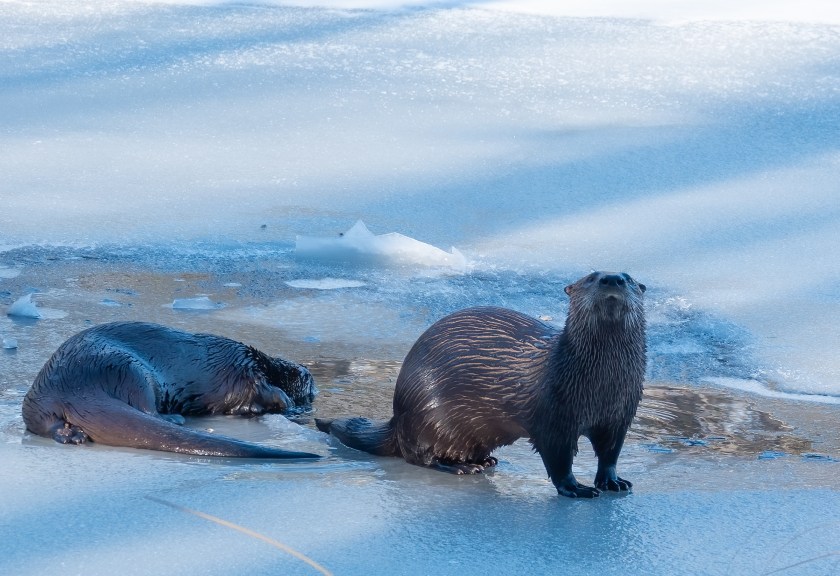
We had had the first proper snowfall of the winter on December 2nd, six inches of lovely fluffy stuff, so on the morning of December 3rd I snowshoed in to our beaver pond. Joy of joys, as I stood on the shoreline two young otters popped out of the ice just a few feet in front of me.

We were all a little startled, but I took a few quick photos:

and after one minute twenty seconds they slid back in:

I stayed put, and ten minutes later they returned, this time checking immediately to see if I was still there:

Since I clearly was, they didn’t hang around, only twenty seconds total this time, but then I saw a third one, on the left, further out on the ice near the beaver lodge.

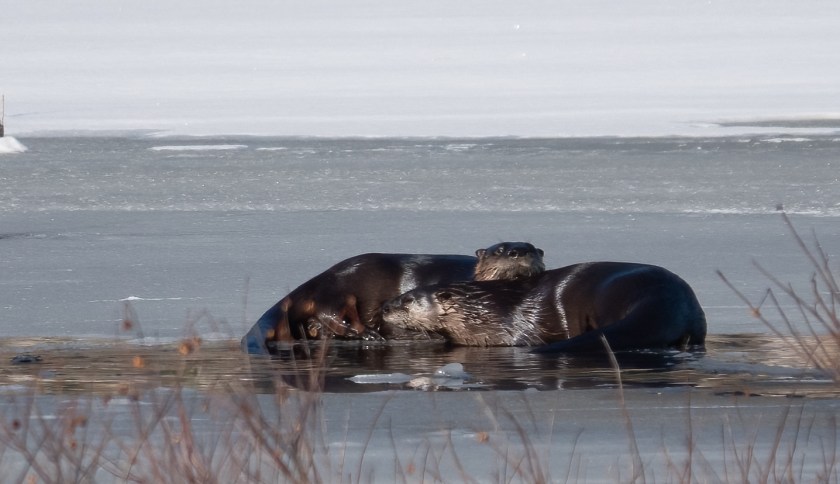
This one was larger, perhaps the mother, and she was fishing successfully, three different fish over the course of fifteen minutes:

Eating one took a while:

Later, another otter joined her, but she didn’t share her fish. Watch the video here:

After a bit the youngsters appeared, sunbathing:

Looking for the others:

and sliding on the ice:

A communal slide, followed by a dip:

A perfect morning, for me and apparently for them too..

Forests in a land without trees

[This is my last post about our Mongolian trip. After this, back to Lovell, Maine.]

Despite what I have shown you so far, there are places in Mongolia with trees. An hour or so north of Ulaanbaatar, there is a real forest, the southern edge of the taiga that stretches north to Siberia. Called Terelj, the parts closest to the capital have become a major tourist destination, and we only reached a tiny wild corner of it just as the hotels were giving way to forest. It was fall, so the colors were lovely:

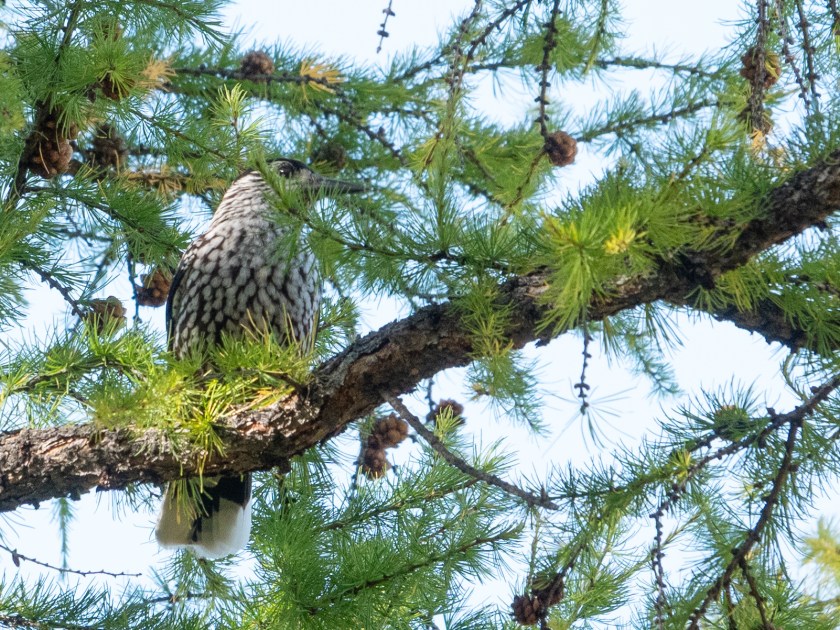
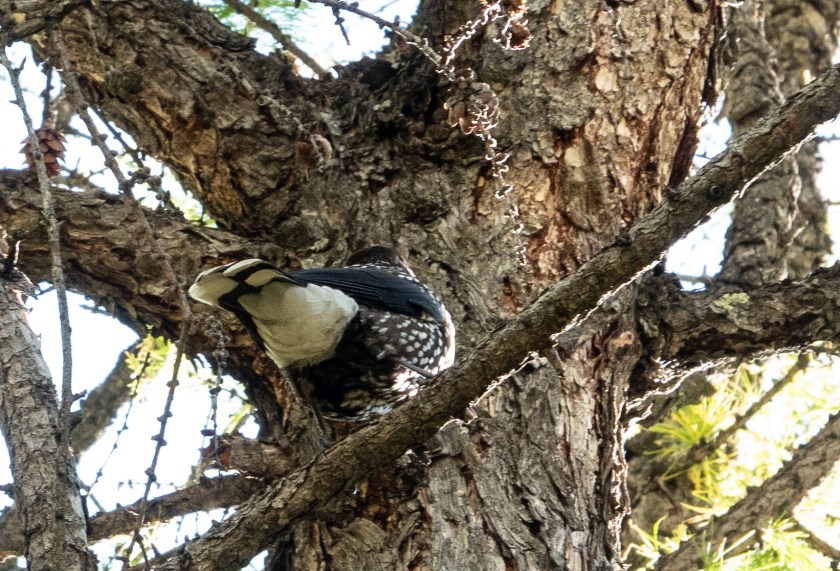
and we saw a handsome bird called a Northern Nutcracker, Nucifraga caryocatactes:

eating larch cones:

and hiding from us:

These birds are specialized nut-eaters; their tongue has a “lingual nail,” a long keratin growth that helps to lever up and shell seeds.

The only other woodlands we had seen were an odd little fragment near Chamdani in the Altai. Remember the Altai:

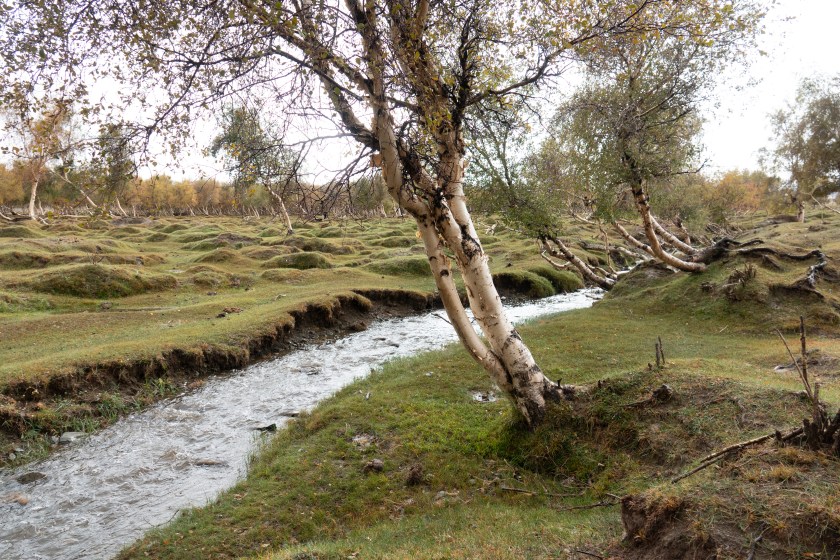
and then imagine how startling it was to encounter this: a wetland threaded with rivulets, dotted with small birches, and grazed into grassy moguls.

Small songbirds loved this place:

Rufous-backed Redstart
Hume’s Leaf Warbler, also probably!

But my enduring memories of Mongolia will still be those wide open spaces. I end my series of Mongolian posts with this poem by the famous modern Mongolian poet Dashdorj Natsagdorj, who says it better than I can; it is quite long, so rather than pasting it , here is a link:

https://newprairiepress.org/cgi/viewcontent.cgi?referer=&httpsredir=1&article=1117&context=sfh

PS The poet had a very interesting life: https://en.wikipedia.org/wiki/Dashdorjiin_Natsagdorj

PPS The Nature Conservancy has a huge project helping Mongolia preserve its wild grasslands : read here:

https://www.nature.org/en-us/magazine/magazine-articles/mongolias-conservation-horizon/

Nature at the edge of the modern world

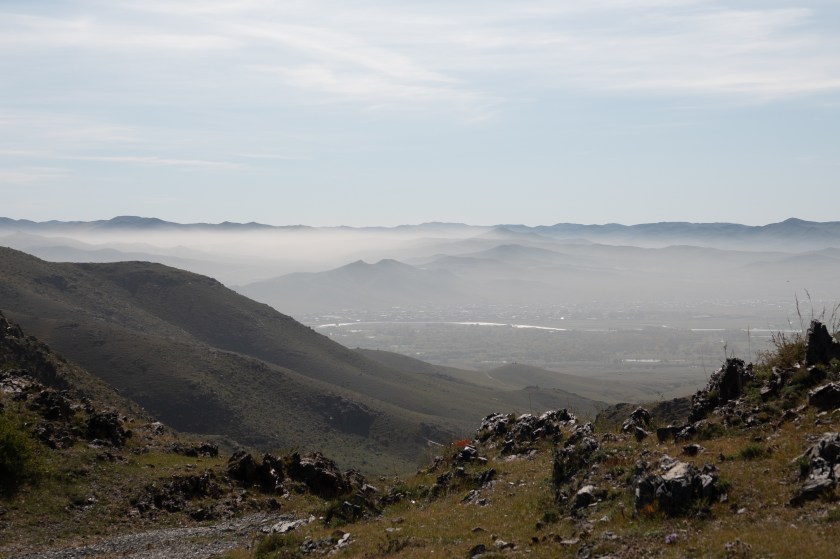
In between the Altai and Hustai NP, we usually had a night before or after in or near Ulaanbaatar, the capital. It is now home to 1/2 of Mongolia’s population, 1.7 million people and growing. It is down in a valley and with a big pollution problem:

But there is still nature nearby.

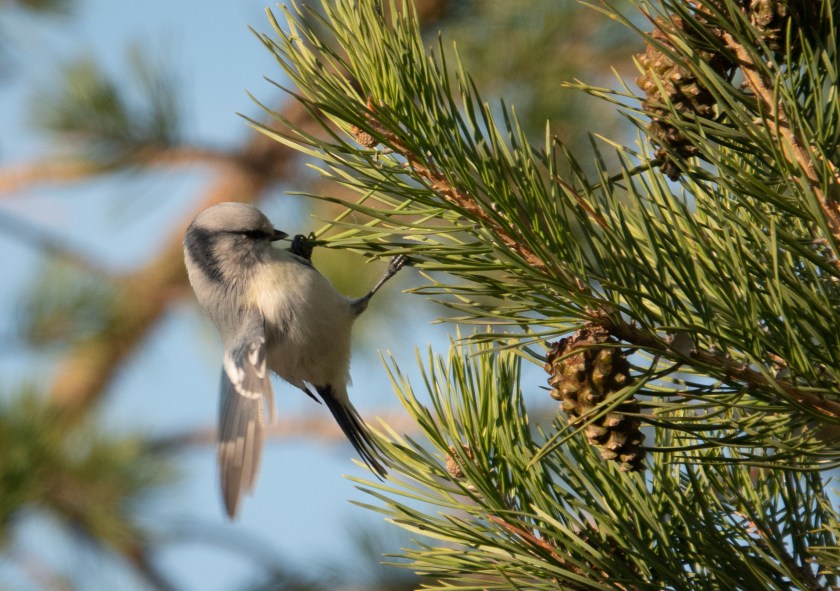
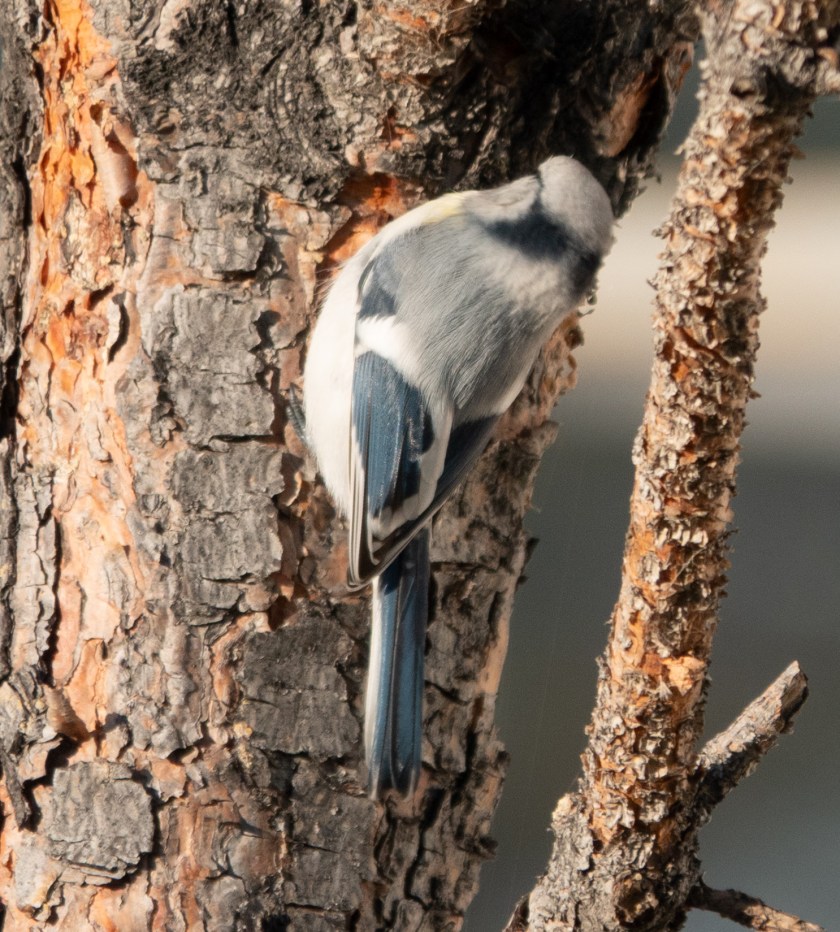
Our hotel was outside Ulaanbaatar, called the Hotel Mongolica. It was near a river, and farmland, all marred by a serious litter problem. But there were flowers and birds in the grounds that made up for this. Here is an Azure Tit, a really delightful little thing:

A black kite:

and an Azure-winged Magpie:

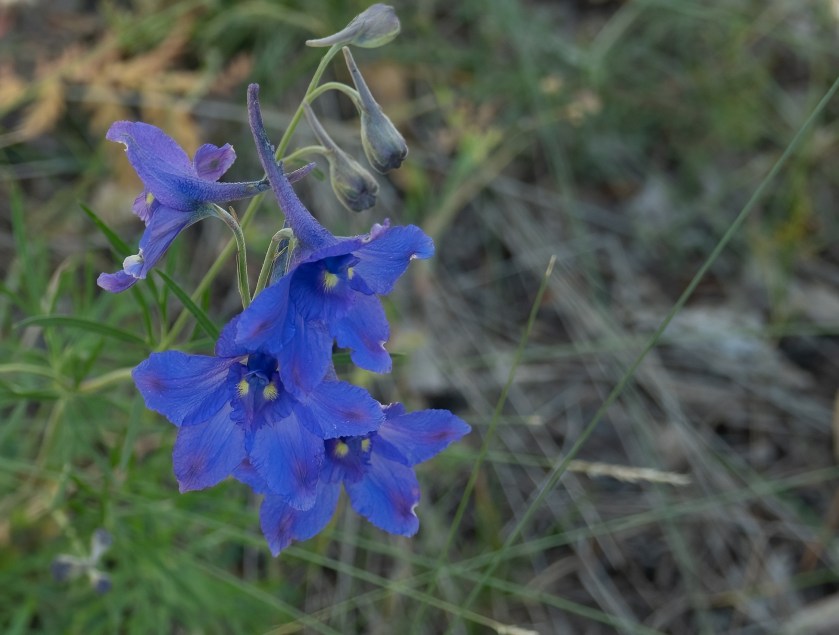
A few wildflowers:

Siberian Larkspur
Spiny Pennywort, Orostachys spinosa

and farmland behind the hotel:

with a watchful dog:

In Hustai we saw an even finer dog, a Bankhar Dog, much to the excitement of our interpreter. This is the dog that went into battle with Genghis Khan, and Marco Polo brought one back to Venice with him. The best of them, like the one below, have spots above the eyes, giving rise to the name Mongolian Four-Eye Dog. Mongolians believe they are thus able to see into the spirit world. Genetic analysis suggests they are the ancestors of all breeds of livestock guard dogs.

I want one.

PS There is a depressing coda to the story of Bankhar dogs. Wikipedia says:

“As infrastructure and travel made the Bankhar dog’s native regions more accessible, non-native dogs began to intermix with the breed. During the Communist era of Mongolia, Bankhar dogs were let loose or exterminated to forcibly relocate nomadic groups into socialist-style settlements. Their pelts became fashionable for stylish Russian coats, and the largest dogs were killed to feed the growing dog coat industry. By the 1980s, the breed had almost disappeared.”

On the upside, they are now much sought-after, and perhaps the breed will recover. Read more here: https://www.bankhar.org/bankhar-dogs/