A Spate and a Spadix

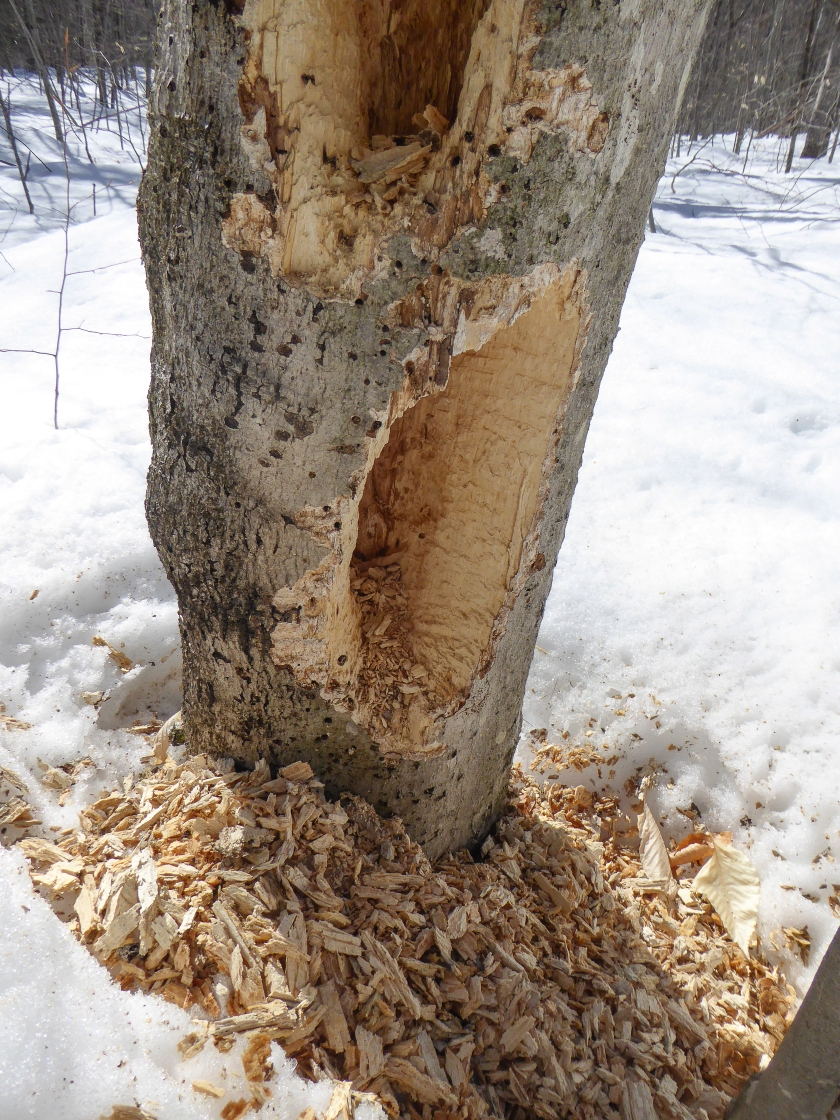
Let’s take an Easter break from antelopes. I am in Maine for a few days. The thaw is happening, and the streams are in spate. This is a usually dry woodland area below my red barn; the de-barked tree is beaver work.
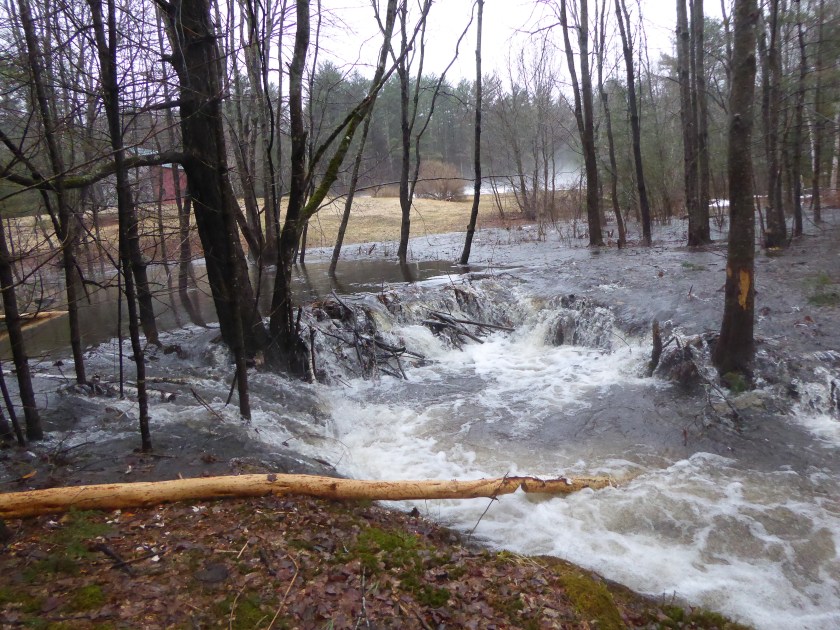
P1040138

My bridge may not be there in the morning:

P1040139

The Beaked Hazelnut, Corylus cornuta, is flowering, with its golden male catkins and tiny red female flowers:
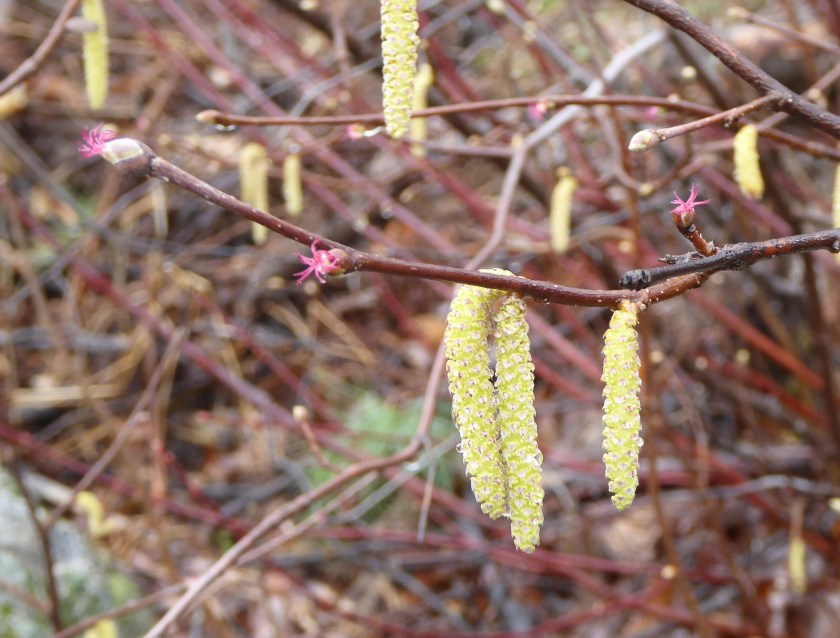
P1040119

The Maine State bird, the Black-capped Chickadee, Poecile atricapillus, is here, a member of the tit family.
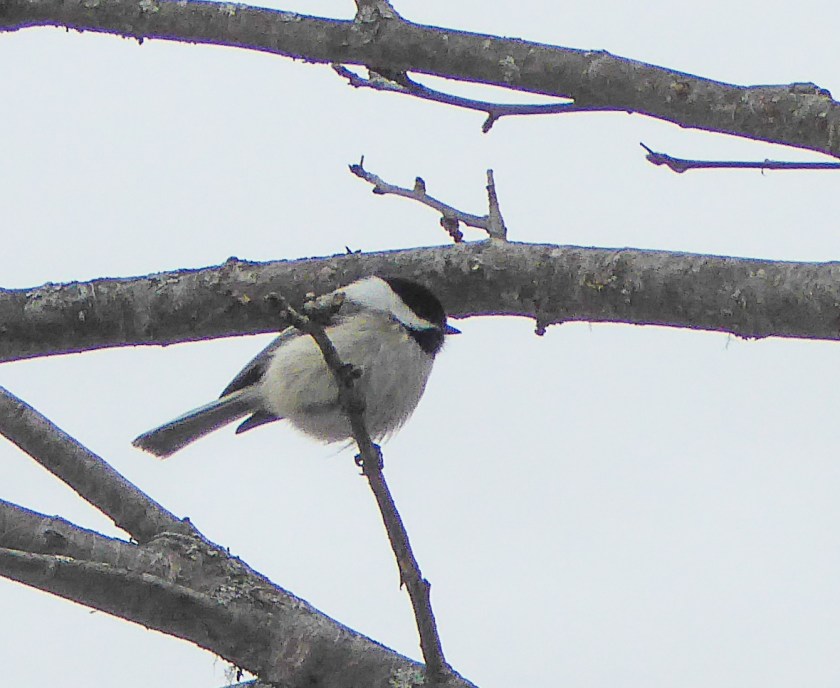
Chickadee

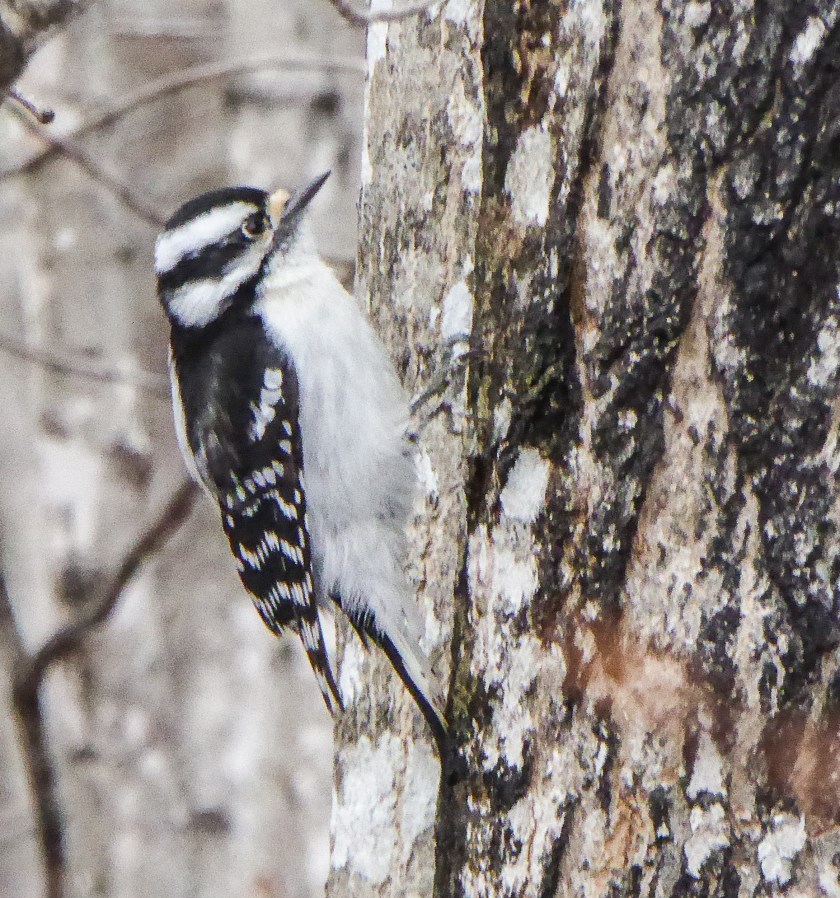
A female downy woodpecker was busy:

Female Downy Woodpecker

And I saw my first ever Brown Creeper, Certhia americana, a relative of the UK’s Treecreeper. They are not rare, but they are very shy, and well-camouflaged. It moved much like a nuthatch, but working its way up the tree, instead of head down like a nuthatch. Notice the lovely curved beak.
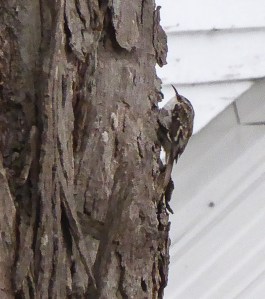
Brown Creeper

Finally, I mentioned skunk cabbage a week or two ago, but now in Massachusetts it is in flower.  Symplocarpus foetidus is a member of the Arum family.  It comes up so early in spring that the heat of its cellular respiration melts the snow or ice around it,

Skunk Cabbage

It has a strong odor, especially if bruised, like decaying meat, and this draws insects to pollinate the tiny flowers on the knobby spadix. Later, a roll of large green leaves unfurls.
 

Buck up

Moving up the antelope size ranks, here are a couple of handsome bucks, both females despite their names.

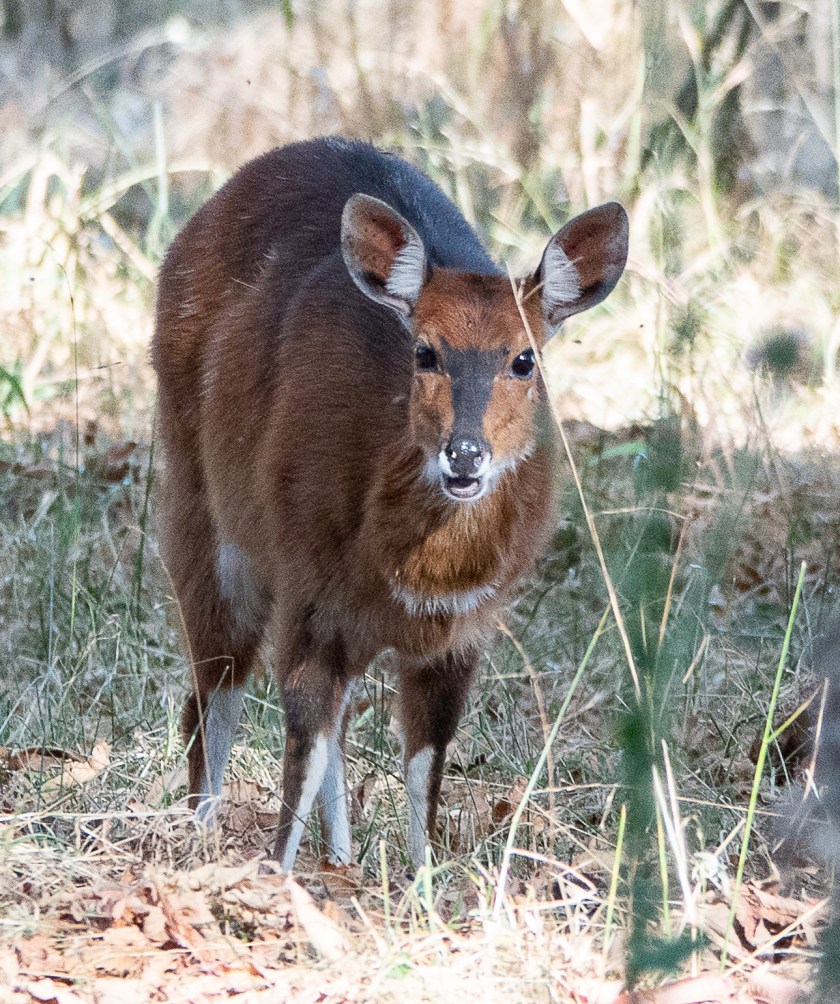
I rather warm to the charming Bushbuck, Tragelaphus scripts meneleki. Males are up to 30″ at the shoulder, and up to 80Kg in weight. They are largely nocturnal, frequenting the forest edges and browsing on bushes, leaves and twigs. They are shy and hard to see; this one was emerging from safe cover in late afternoon to feed. The thick coat keeps them cosy up here at 4000 meters (13,000 feet) in the Bale mountains.

Menelik's Bushbuck, endemic to Ethiopia

Good looking though she is, like most bushbucks she is largely solitary.  Females are bright chestnut, males are almost black. The white markings are very variable geographically, as shown in this illustration from the excellent The Kingdon Field Guide to African Mammals, by Johnathan Kingdon.

Screen Shot 2019-04-15 at 9.41.32 AM

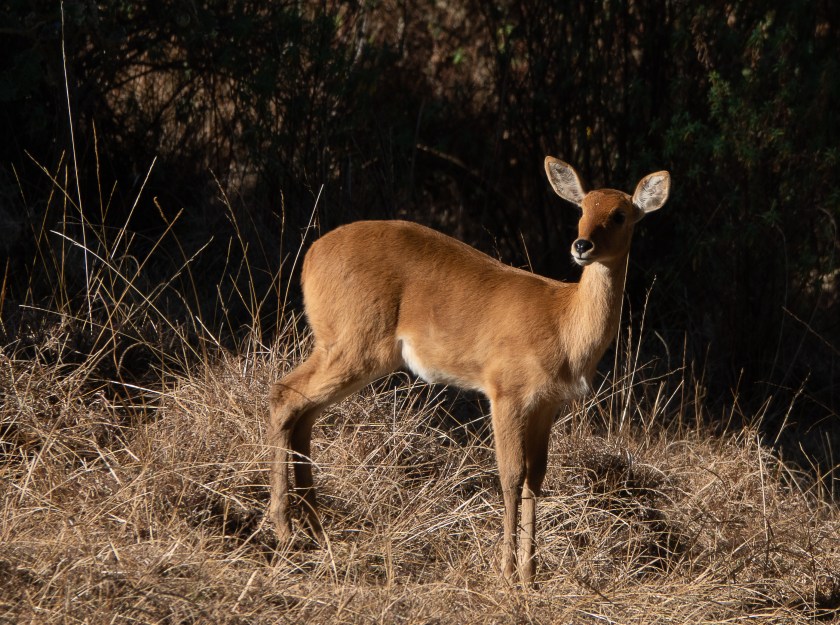
Just nearby, this Bohor Reedbuck, Redunca redunca, posed in a clearing.

Common Reedbuck

Males can be 35″ at the shoulder and weigh 65Kg.


Medaqqwa and Oribi

[Such a pleasure to discover an animal you have never even heard of before. For me, the mellifluously named Oribi is just such a new discovery.]

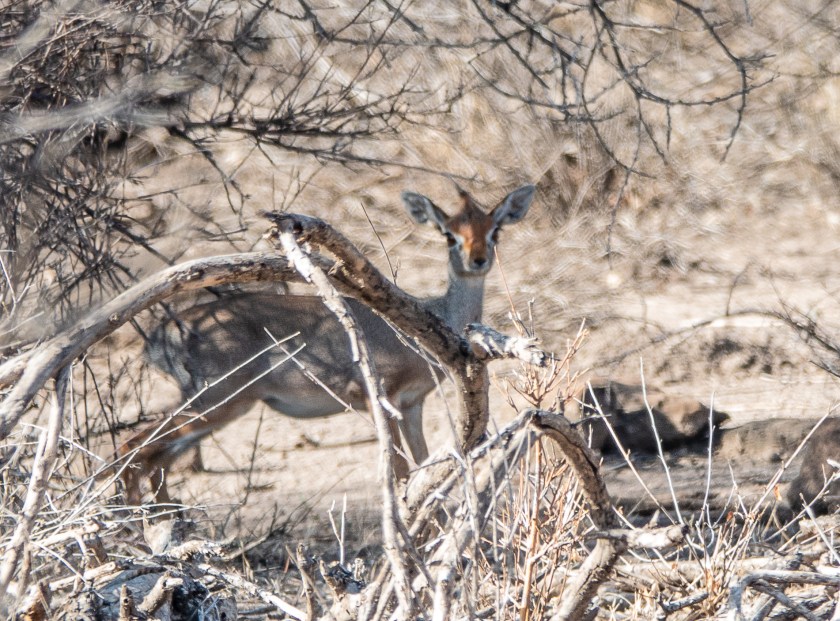
Today’s Ethiopian antelopes are not gazelles, and only the males have horns. Some are so tiny they can easily be mistaken for a hare: a small female Harar Dikdik may only weigh 2.5 Kg, and the Ethiopian Highland Hare can weigh 3.5 Kg! Their scientific name is Madoqua saltiana hararensis, supposedly named after the Amharic name for small antelope, medaqqwa. *

Harar Dikdik, sub species of Salt's Dik-dik

Not surprisingly, given their miniature stature (a maximum of 15″ shoulder height), they are extremely skittish, and this is my best photograph!

Moving up a notch, there are two species whose weight tops out around 22 – 25 Kg: the Oribi and the Bush Duiker. This charming family of Oribi, Ourebia ourebi, allowed us to get fairly close, but they can run at 50Km an hour if startled. The males are about 26″ at the shoulder, about the size and build of a Dalmatian.

Oribi

They are strictly grass eaters, and their social lives sound interesting, since they are described as sometimes polygynous, sometimes polyandrous, and sometimes polygynandrous depending on food resources and population density. Yet these three, who were not part of a larger herd,  look monogamous to me!

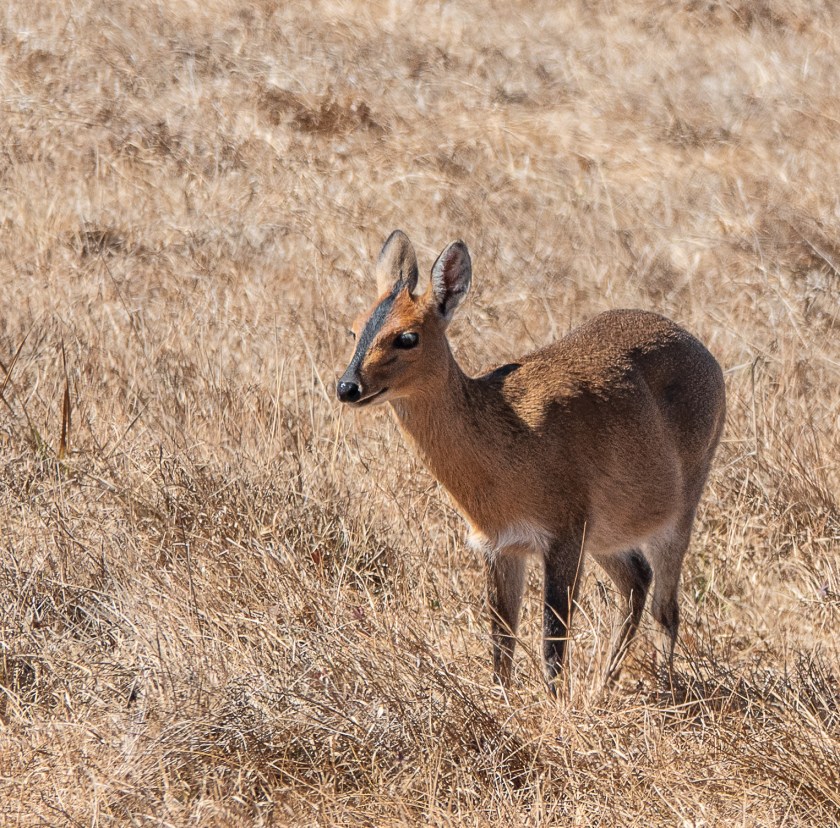
The similarly-sized Bush Duiker, Sylvicapra grimmia, is the ungulate that lives at the highest altitudes, and it is monogamous. Their Latin name means “wood goat”, perhaps because they eat all sorts of things, including not only grass but also insects, frogs, and even carrion.  They can get nearly all their water from their food, and may not drink at all in the rainy season.

Bush Duicker

They are not endangered, possibly because no-one could call them picky eaters.

* I can’t confirm this origin for the Latin name Madoqua. My attempts to translate “small antelope” or “dikdik” into Amharic online turn up different words, like yenishu, የንሹ

P.S. For my UK readers, the 2.5 – 6 Kg dikdik is far smaller than the muntjacs that plague us in the UK, and which can weigh up to 18Kg..

Gazelle grace notes

Ethiopia abounds in animals that Americans and Brits might loosely call “deer”, but are more properly various species of antelope. We saw a range from the tiny Harar Dik-dik (2.4 – 4Kg), to the huge Mountain Nyala (whose males weigh up to 300Kg). I think today I’ll show you some gazelles, middle-sized antelopes that are a by-word for grace..

All gazelles are antelopes but not all antelopes are gazelles. Gazelles are distinguished by the fact that both sexes have horns, not just males, and the horns are unbranched. We saw Soemerring’s Gazelle, and two sub-species of Grant’s Gazelle. These Soemerring’s Gazelle females below have elegant horns. The males weigh up to 99lbs. Only found in the Horn of Africa and now extinct in Sudan, they are classified as Vulnerable.

Soemmering's Gazelle

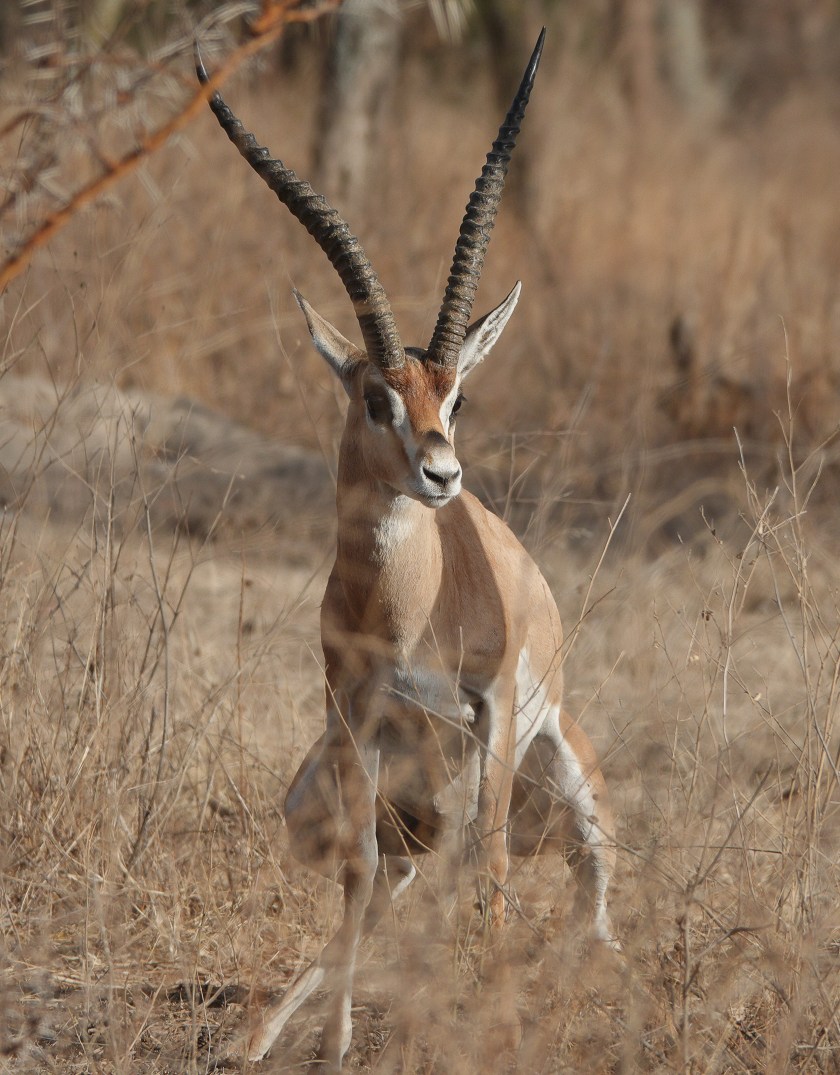
This male Bright’s Gazelle, a sub-species of Grant’s Gazelle, is much more impressive. He may weigh up to 180 lbs, and his horns can be 32″ long. This chap had several females behind him in the brush.

Bright's Gazelle

This extraordinary posture, which he held for a long time, is ritualized behavior. The territorial male stretches and squats in an exaggerated manner while urinating and dropping dung. This apparently warns other males to stay away and reduces the number of confrontations. 

The horns have a bony core, covered in keratin, and never fall off (unlike antlers). They are elegantly twisted, and placed in such a way that two fighting males cannot crack each other’s skulls, so their fights are displays rather than mortal combats.

Bright's Gazelle

The eyes in the sides of the head give them a wide field of view to detect predators. Pennisi (2019), an article in Science this year entitled “Grazing animals shown to inhabit a ‘landscape of fear'” writes :

“Imagine you are a grazing animal, an antelope or an elk. The lush vegetation of a streambank or an open plain tempt you, but predators lurk there. You avoid this “landscape of fear,” keeping to the safety of the forest and leaving the plants there to flourish. It’s a plausible but still controversial scenario for how predators can shape an ecosystem. Now, ecologists have taken advantage of the impact of war on Mozambique’s Gorongosa National Park to give the idea new support. After a surge in poaching during Mozambique’s civil war from 1977 to 1992 extirpated leopards and wild dogs from the park, a secretive antelope that used to stick to the forest started to forage out in the open. Ecologists now show that the untrammeled consumption has altered the park’s vegetation—and that the sound or smell of the predators was enough to reverse the effect, by driving the antelopes back toward the forest.”


Mainspring

(I’ll return to Ethiopian posts soon, but today I wanted to be in the moment.)

A Maine spring comes grudgingly to start with…. here is the back of my house on March 28, four days ago. For scale, to the right of the large tree is our picnic table partly covered by an avalanche of snow.

P1030878

In the woods, the streams are thawing and filling fast. Icicles delicately dangle tiny tutus, remnants of their contacts with the melted surface ice:

The woods are still quiet, but not empty: a pileated woodpecker has created an impressive trio of holes and a correspondingly gigantic pile of woodchips:

P1030930

Tracks have grown bigger as the snow melts. This is probably a fox or a coyote, two paws registering on top of one another, but I dreamt of bears, and by tomorrow I will probably think “Sasquatch”.

P1030893

Three hours drive to the south, in Massachusetts, the skunk cabbage is pushing up through the snow:

P1030822

A deep imperial red-purple at first:

P1030809

The deer are quick to appear:

P1030803

There’s not much green to eat yet, so they can’t be choosy:

P1030819

And so the woods awaken again…..

The daily routine of the bleeding heart monkeys

In the early morning geladas indulge in a little sun worship:

DSC08768

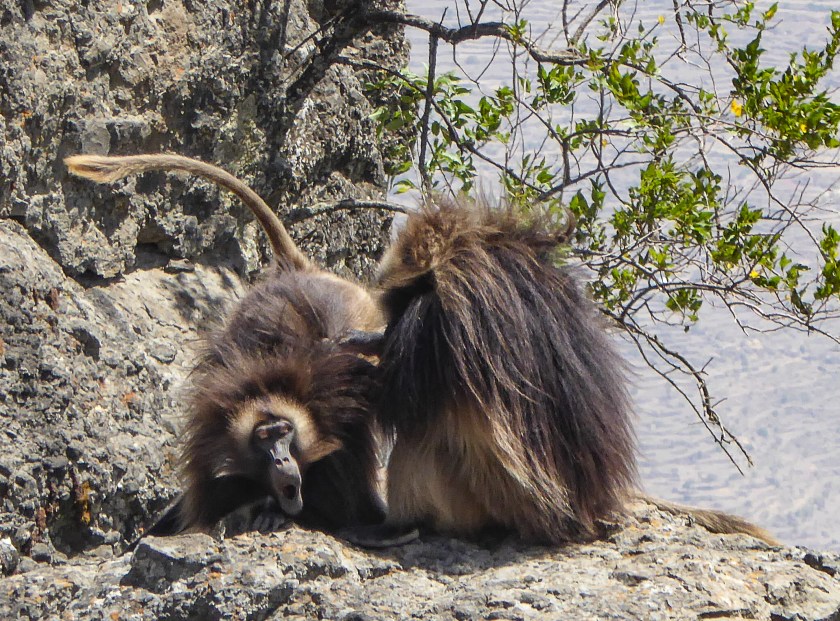
And then they get down to serious grooming. Look at the face of this client: obviously the groomer has hit exactly the right spot:

P1030646

The wind is fierce up there. Some of them revel in it:

P1030637

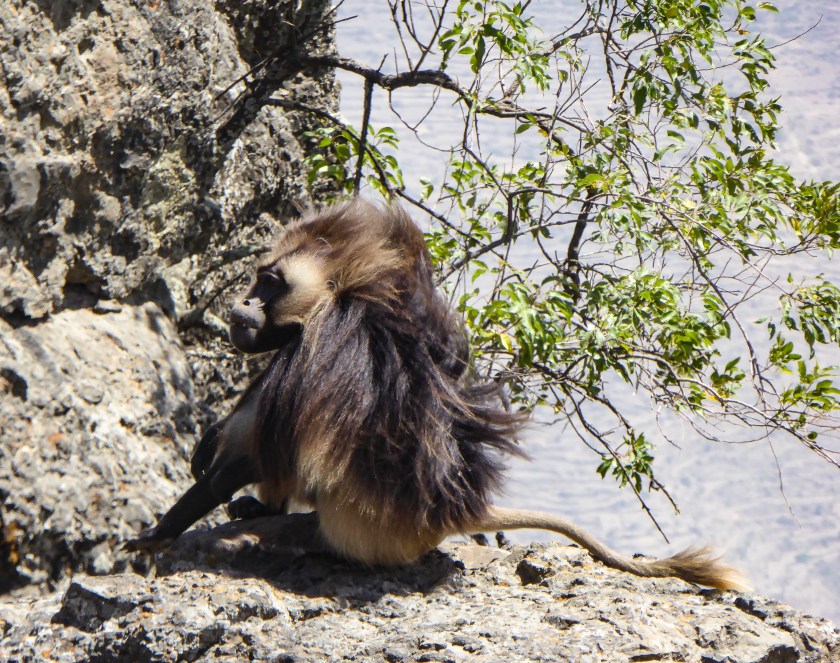
Others shelter behind boulders:

P1030619

A little later on they head for the plateau to feed. Alone among primates, their diet is composed almost entirely of grass: this one is defending his patch:

P1030706

When feeding, they move around on their bottoms in “shuffle gait”. They are not endangered, with around 250,000 left in the wild, but their habitats are slowly but surely shrinking.

I had hoped (but failed) to hear them “wobble”. They are one of the few animals to make sounds like human consonants (involving closing of the mouth or lips), as well as vowels. Here is a video of their wobble: (Bergman 2013)


Be still my bleeding heart…*

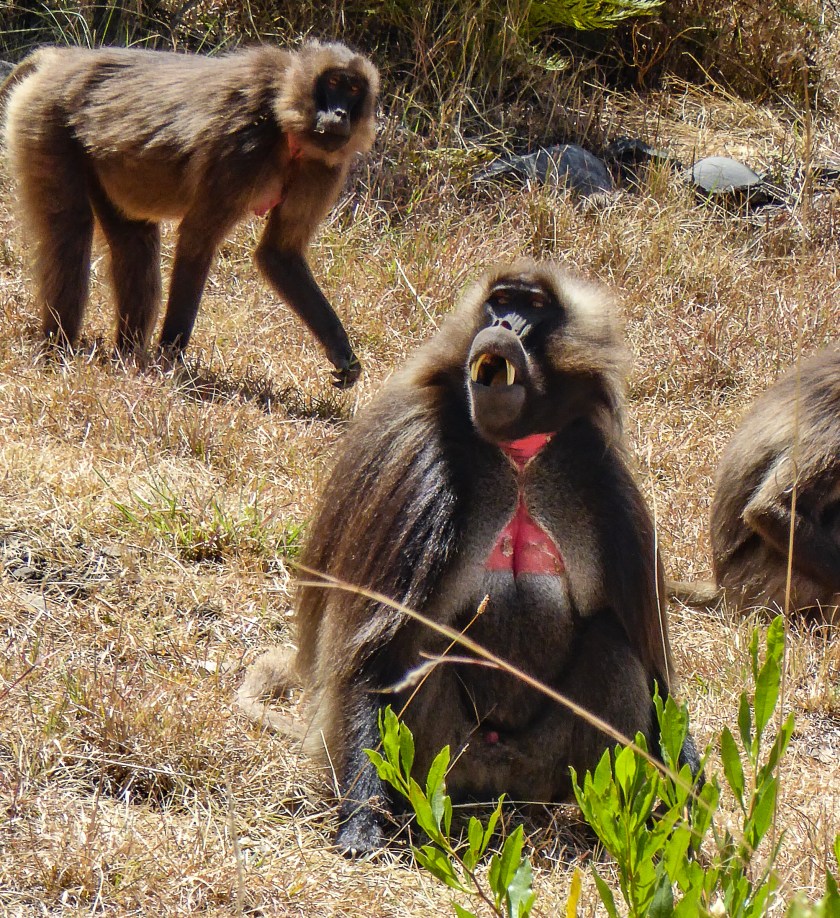
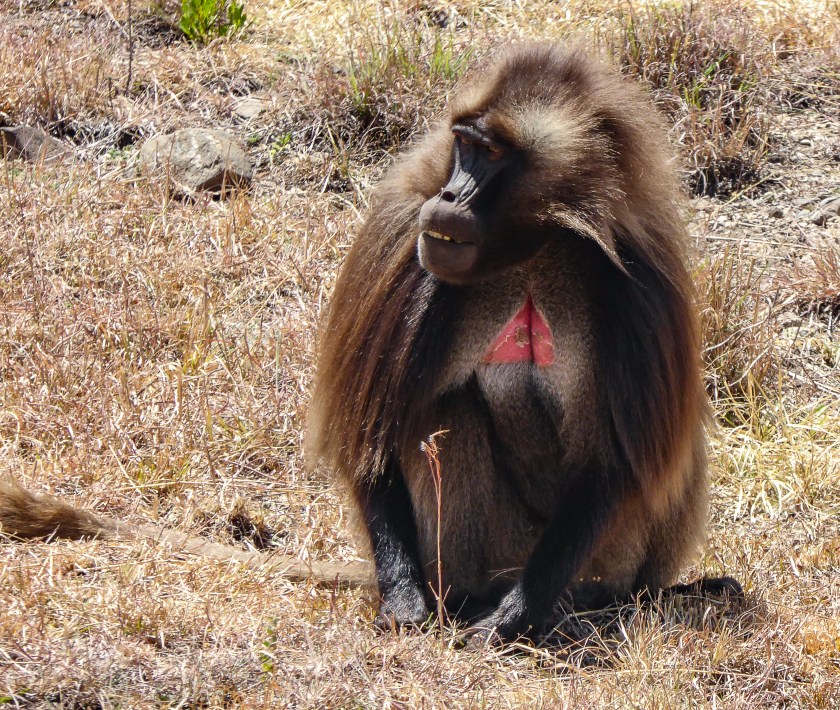
No-one is surprised to find birds (like robins) with brightly colored breasts, but mammals that are similarly caparisoned are rarer. The gelada monkey, Theropithecus gelada, is a glorious exception. Named after the Amharic word for the species, both sexes have astonishing red skin patches on their chests: the first photo is a female, and the second is a male:

P1030694

Geladas

In males, the redder the chest patch the more dominant and successful the male (Bergman et al 2009). Bright bottoms are more common than bright tops in the primate world; one theory has it that colorful bottoms would be wasted on geladas because they are “bottom-feeders”… my term for their feeding behavior, as the next post will explain.

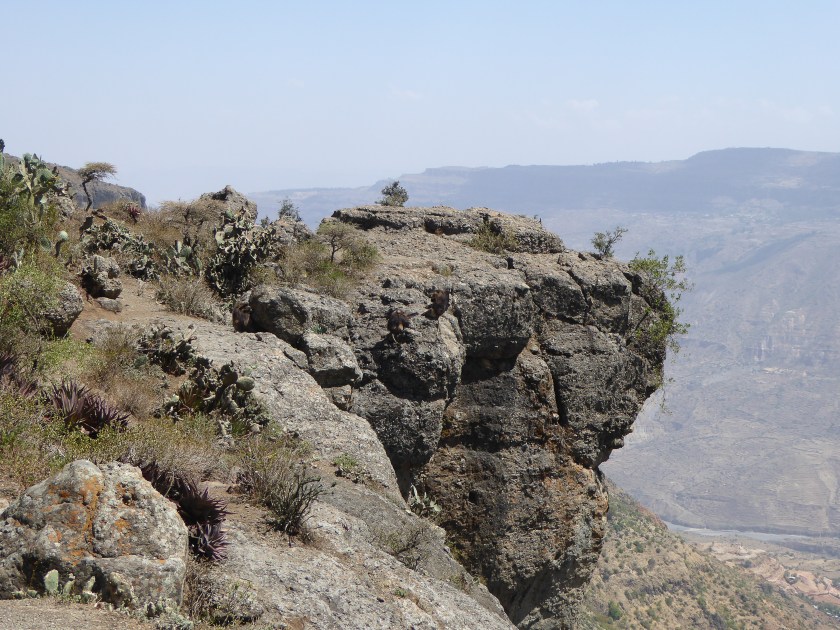
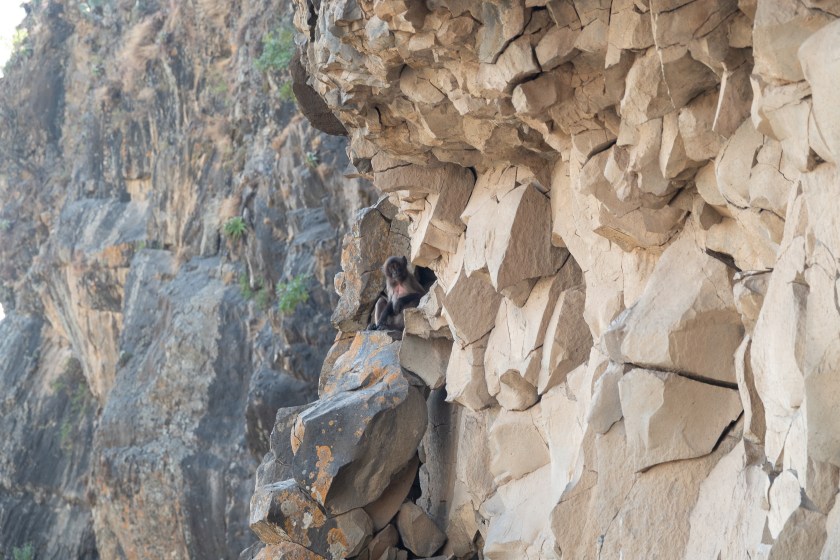
Geladas are found only in the highlands of Ethiopia, where they sleep and socialize on rocky cliffs. In the photo below the small dark brown blobs in the centre where the plateau tips over into cliff are geladas:

P1030596

They seem to enjoy flirting with danger: here is a closeup of two of them:

P1030610

And this male, with his shaggy cloak:

DSC08719

And this curious baby:

DSC08772

In my second installment, I’ll have some action shots… watch for the next post.

* Apologies for the excruciating  title! And also for the photo quality: my camera broke halfway through the last day, the gelada day, and so these are taken with a small point-and-shoot backup.

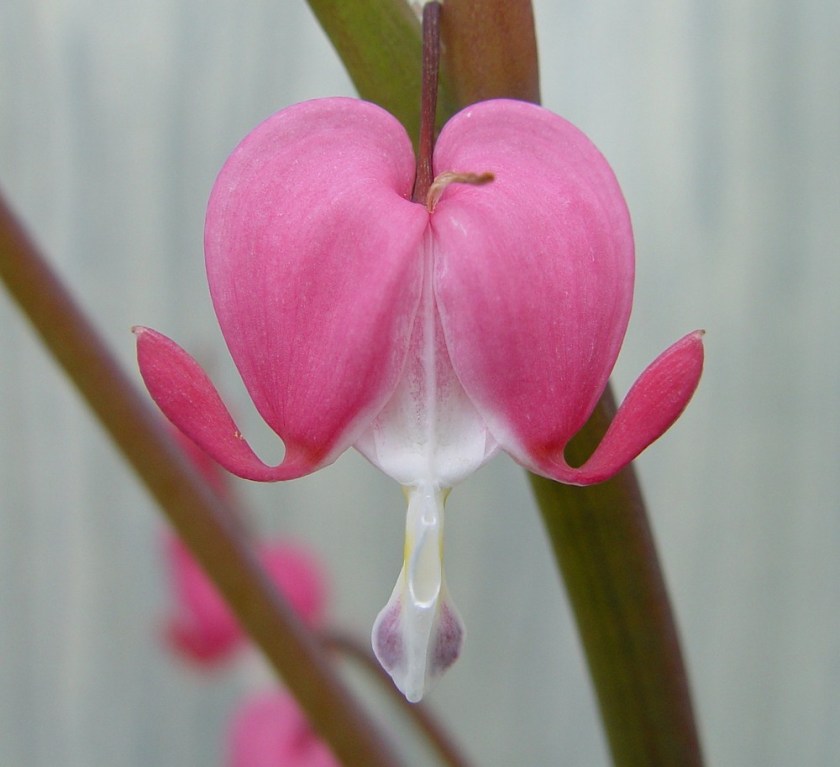
*The gelada shares its bleeding heart nickname with this flower, Dicentra spectabilis:

lamprocapnos-spectabilis-fl-ahaines-a


Ostrich legs

The ostrich roams the great Sahara.
Its mouth is wide, its neck is narra.
It has such long and lofty legs,
I’m glad it sits to lay its eggs.

By Ogden Nash

I ended last time with a story of how the oryx got its horns and its black-and-white markings …. and as the story goes, they won them off the ostrich in a bet…. https://www.flickr.com/groups/715897@N22/discuss/72157604112895106/72157604357025025

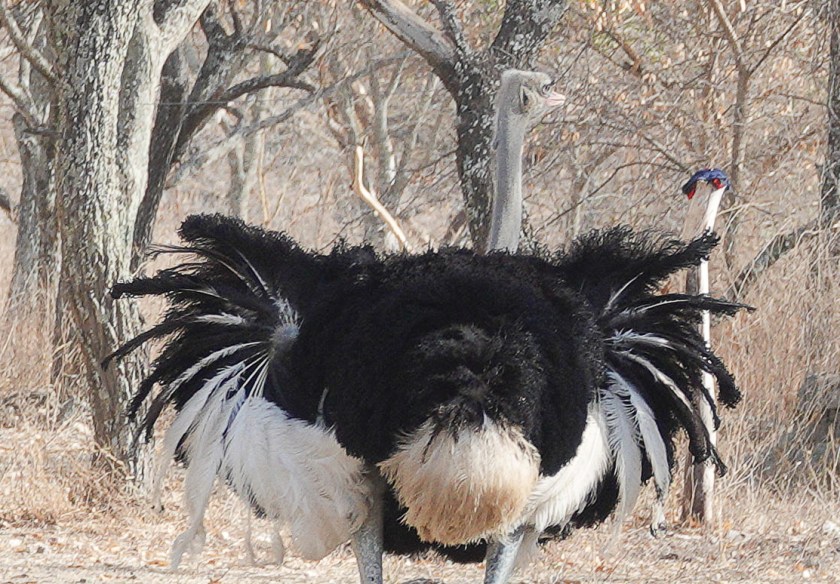
Here is a male Somali Ostrich, and you can see how an antelope might covet that coat:

Somali Ostrich

The drab female is presumably what you get when the oryx has run off with the ostrich’s finery.

Somali Ostrich, female

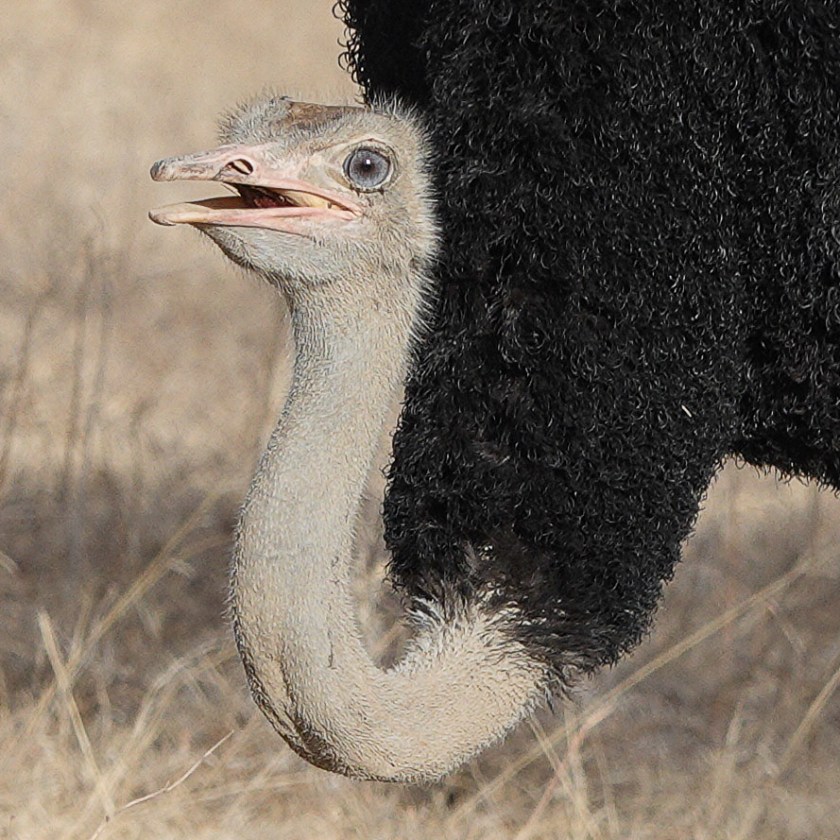
The ostrich never did have horns,  although they might distract attention from his balding pate:

Somali Ostrich

These ostriches are Somali Ostriches, Struthio molybdophanes, found only in the Horn of Africa. They browse on bushes, whereas the common ostrich prefers to graze on grass. They also differ from the common ostrich in having blueish (instead of pinkish) skin on their neck and thighs: this one would win a knobbly knees contest* hands down.

DSC09108s:

* English seaside towns in the 1950’s loved such contests, for those of you too young to remember, or on the other side of the Atlantic.

31a4bfd518c2a8a4698f92e607e98189

And anyway Dennis Smith rightly points out that the ostrich’s knobby joints are the analogs of human ankles, not knees, as this picture shows:

screen-shot-2019-03-20-at-8.44.51-pm.png


Oryx frolics

Mirage-like, the oryx materialized out of the desiccated landscape of Awash National Park.

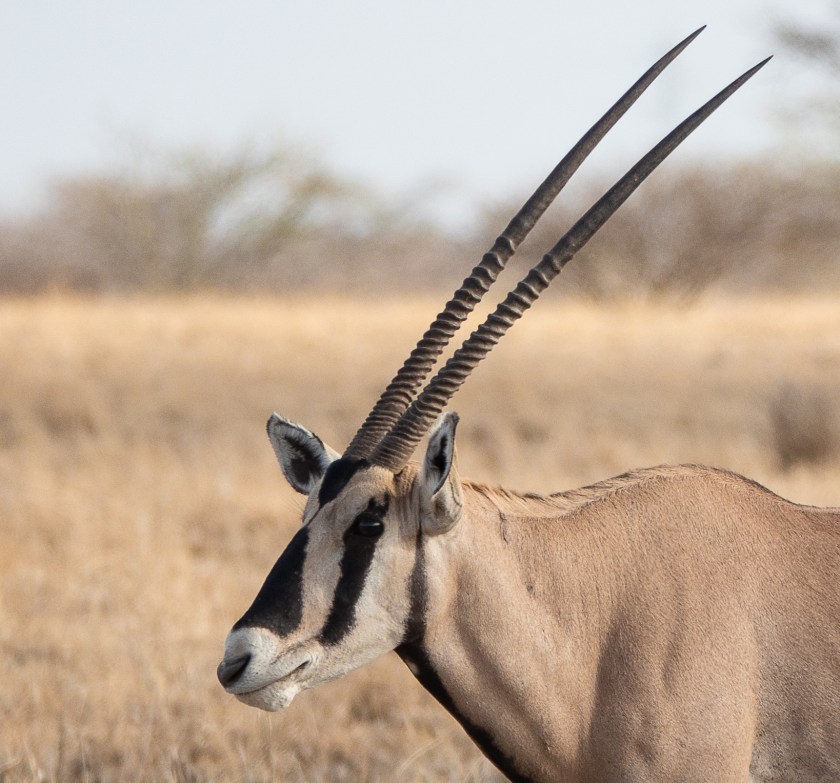
Beisa Oryx

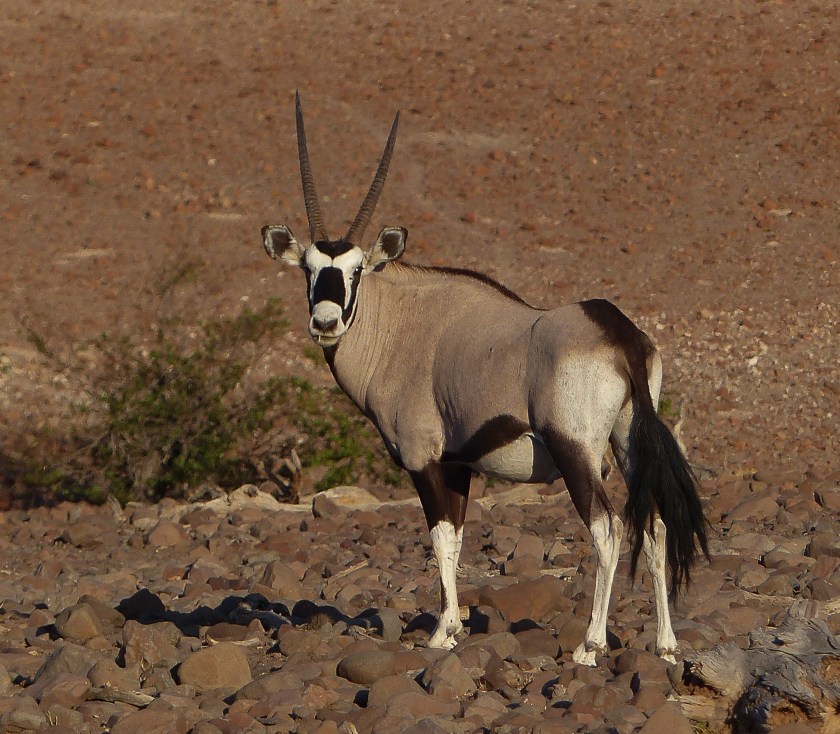
For my money, the oryx is the smartest turned-out antelope on the planet. I saw my first ones in Namibia in 2016, where they are the species Oryx gazella, also called gemsbok, and are to be found standing under every tree:

p1110337.jpg

But here in Ethiopia they are a different species, Oryx Beisa, and they are endangered:

DSC08653

You can see the difference: the tail is only black at the end, no black patch on the rump, and less black on the belly and legs too. (The rest of these photos are all of this Ethiopian species.)

Both sexes have those amazing horns, for which they have been hunted almost to extinction:

DSC08532

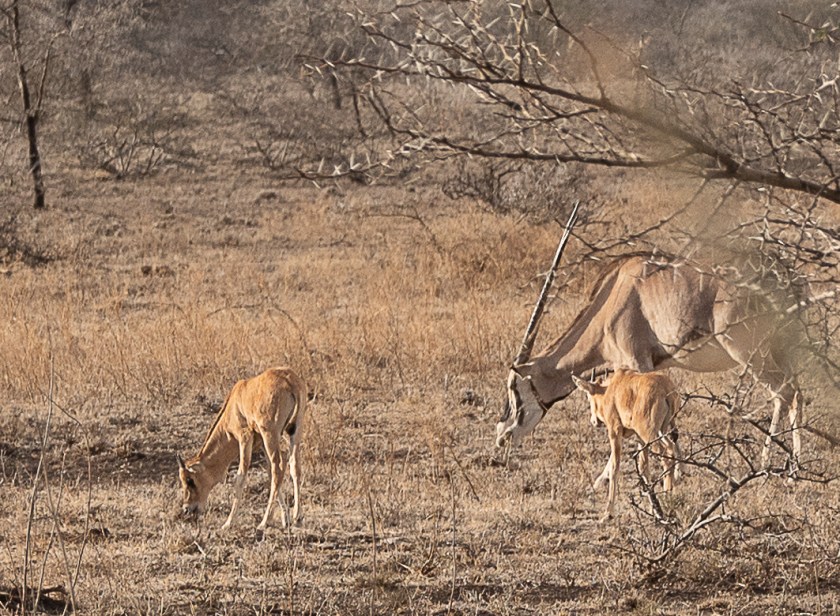
The mother goes off alone to give birth, and the young can run immediately. Their black markings do not appear for several weeks, when they rejoin the main herd.  These are still very young, but they already have tiny horns.

Beisa Oryx

Oryx beisa is now extinct in much of its former range, and the remaining 12,000 or so are found only in Ethiopia, and parts of Kenya and Tanzania. Like all oryxes, they are adapted to an arid environment and can go days without drinking. In addition to the thorny scrub plants, they seek out thick-leaved plants, wild melons, roots and tubers. They feed in early morning or late afternoon, when the dew forms and the plants can increase their water content by up to 40% compared to midday.

I came across a lovely folk tale about how the oryx got its horns, and its elegant black-and-white markings:

https://www.flickr.com/groups/715897@N22/discuss/72157604112895106/72157604357025025

Next time I’ll show you what happened to the loser in this tale..


Horn(bill) quartet

Time for birds, I think.

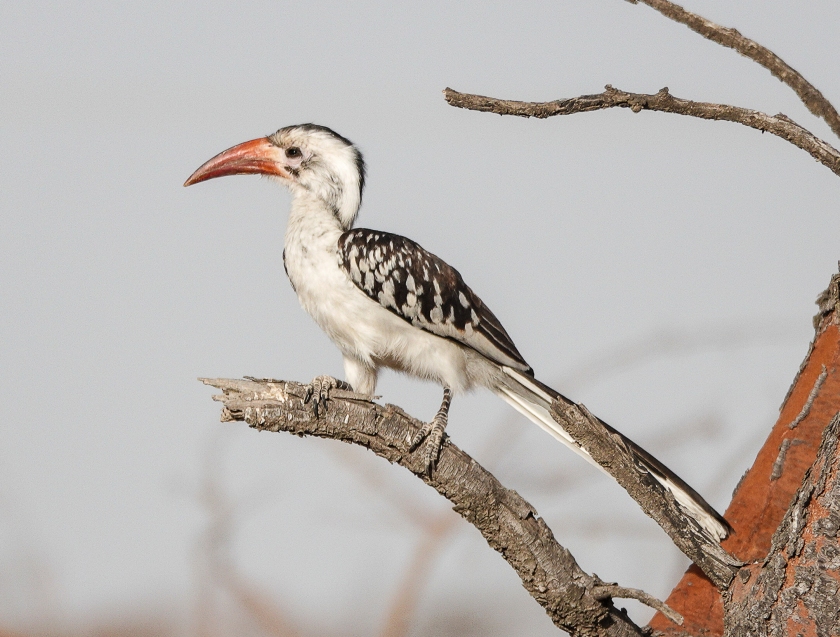
Ethiopia has nine species of Hornbill, of which I saw and photographed five. They are the most unlikely birds, with bills that seem disproportionate to their bodies. These bills are in fact well adapted to their omnivorous diet which includes fruit, insects and even small animals. I’ll start with the smallest bill: a female Northern Red-billed Hornbill, Tockus erythrorhynchus. 

Northern Red-billed Hornbill, female

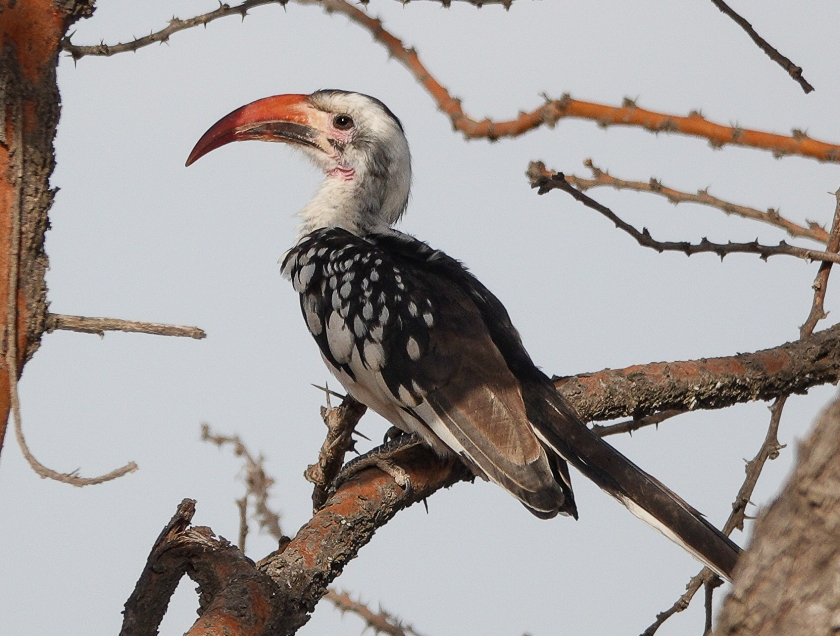
Her mate has a larger bill, and looks correspondingly self-satisfied::

Northern Red-billed Hornbill, male

They were perched in the same tree, and are probably a monogamous pair. When it comes time to nest, the female retreats to a hole in a tree, and walls herself in. The male then feeds her and the young chicks through a small hole until they are big enough to safely emerge. Very 1950’s.

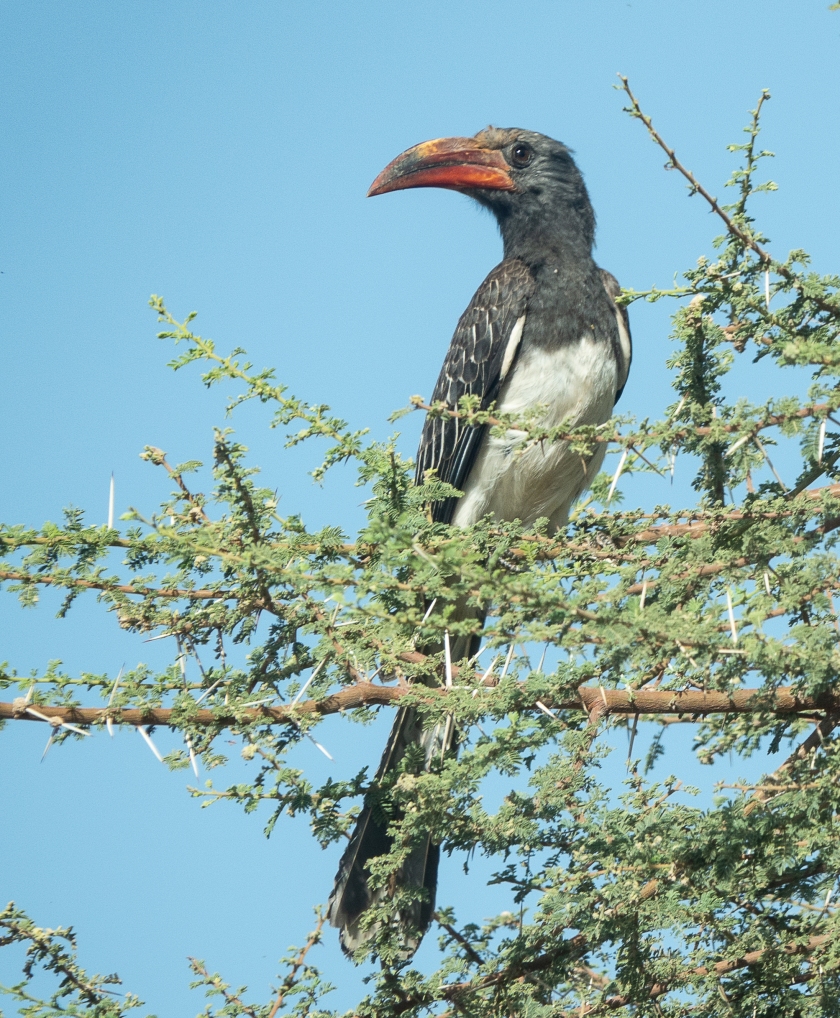
The Hemprich’s Hornbill, Lophoceros hemprichii, has a strong sturdy bill:

Hemprich's Hornbill

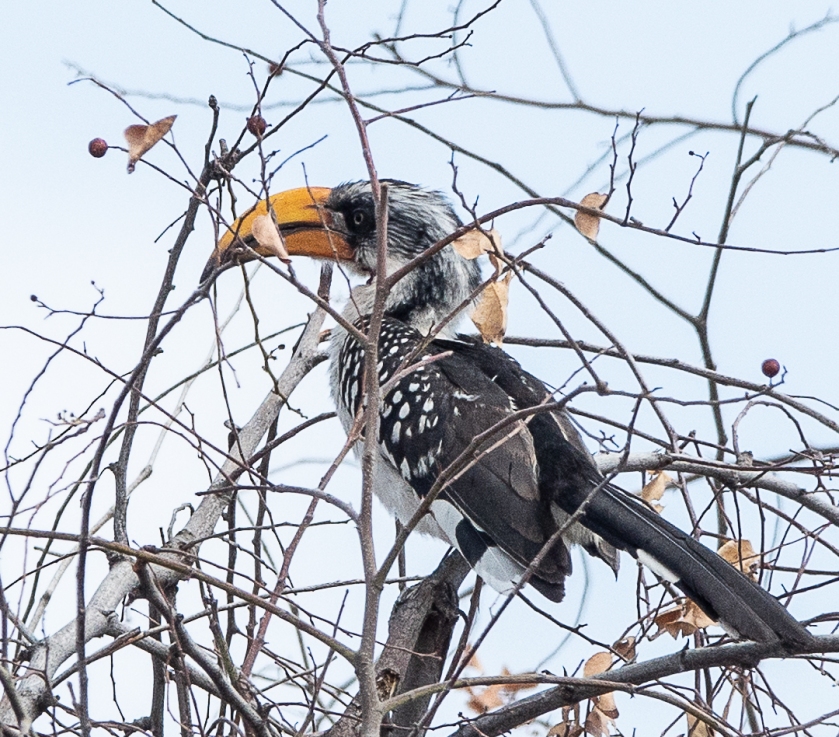
Whereas the Eastern Yellow-Billed Hornbill, Tockus flavirostris, has a curvier bill in a cheerful yellow, always held pointing jauntily upwards:*

DSC08647

Most dramatic of all is the large Silvery-cheeked Hornbill, Bycanistes braves, photographed in the parking lot of an urban hotel:

Silvery-cheeked Hornbill

It is a mystery why on earth anyone would name this bird after its discreetly silvered cheeks rather than after the blindingly enormous casque on top of its bill. The casque acts to amplify sounds and is also likely that in males the bigger the casque the higher the status (it can take years to grow to full size). Its weight may also help in digging, and in attacking bark to get at insects.  

The monster of the hornbill group is the Abyssinian Ground Hornbill, Bucorvus abyssinicus, which I’ll save for another time.

*In Southern Africa, this habitual posture led people to think of the Yellow-Billed Hornbill as a symbol of optimism, as this legend illustrates: https://www.sabisabi.com/blog/9551/african-tales-4/