Preface: I’m now in London, but with nothing special to report, and definitely no giraffes, so I thought I’d dig out a couple of postings I composed but never sent out. Here’s one, from my Kenya orphanage trip in April 2018.
The 48,000 acre Soysambu Conservancy was set up by Lord Delamere, whose predecessors figured prominently (to put it mildly) in Kenyan high society back in the Out of Africa era. It contains a very healthy population of Rothschild’s Giraffe, about 10% of the world’s total of around 1600 (IUCN 2016 estimate).
The Rothschild’s Giraffe, Giraffa camelopardalis rothschildi, is the only species where the male is born with five ossicones: two large ones on top of the head, used for fighting and often rubbed bald, plus two smaller ones behind the ears, and one in the middle of the forehead. This not very good photo shows all five:

The ossicones are made of ossified cartilage, not bone. At birth, they are not attached to the skull, and lie flat, so the poor mother can give birth without problems. Later in life they fuse to the skull.
Recently, lions have moved in to Soysambu from neighboring Lake Nakuru National Park, and we were driven around by Rowena White, known to her friends as ‘the lion lady’, who helps to monitor the lions for Lord Delamere. We didn’t see lions, but we had a lovely day. Here are some highlights.
What look like twin young giraffes, part of a group of about 20, quite unbothered by the buffalo.

A baby buffalo with mother next to him, and the magnificently horned father behind her:

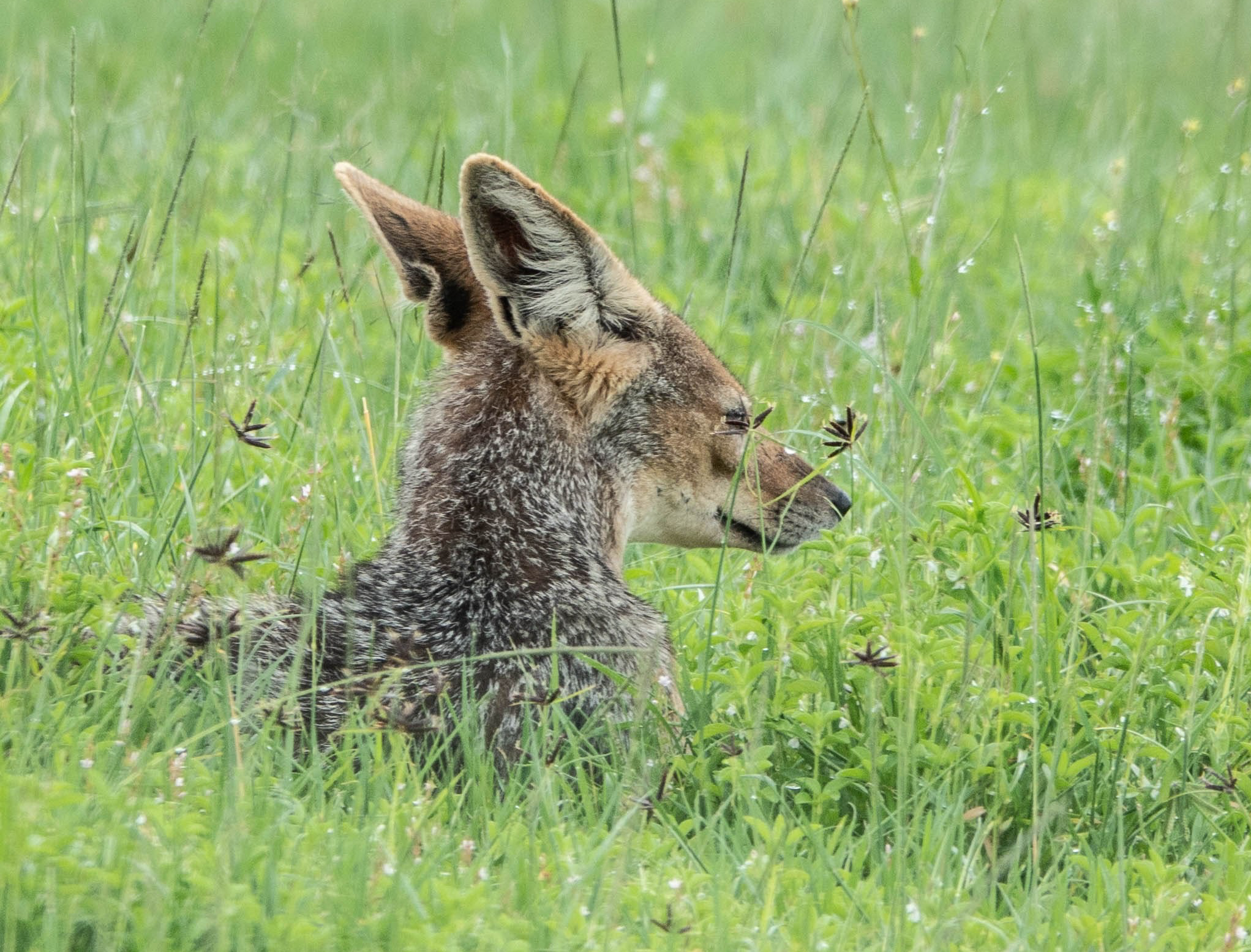
A jackal resting in the long grass, with an impressive pair of ears.
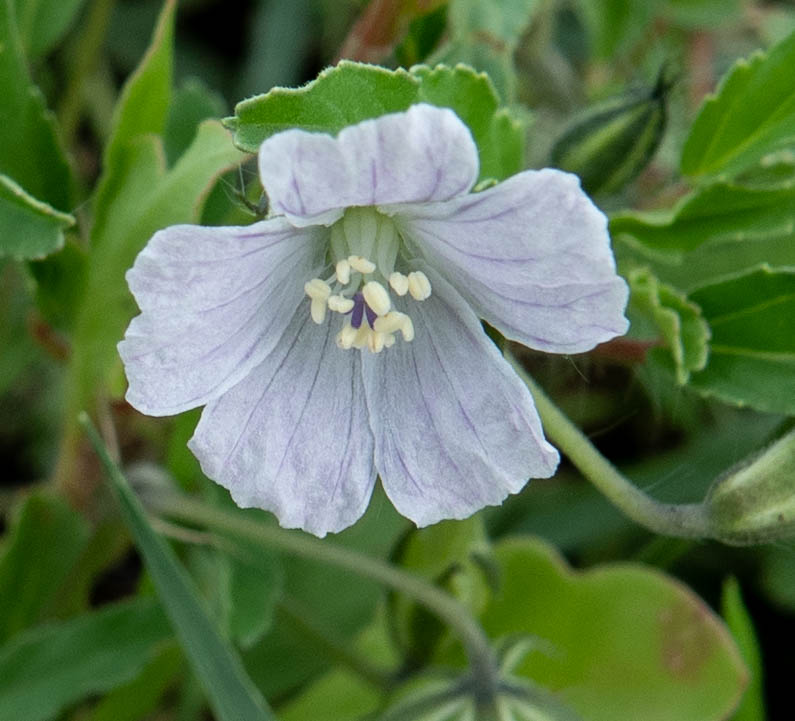
And a tortoise, ambling along through the wildflowers:

A Lilac-breasted Roller, Coracias caudatus:

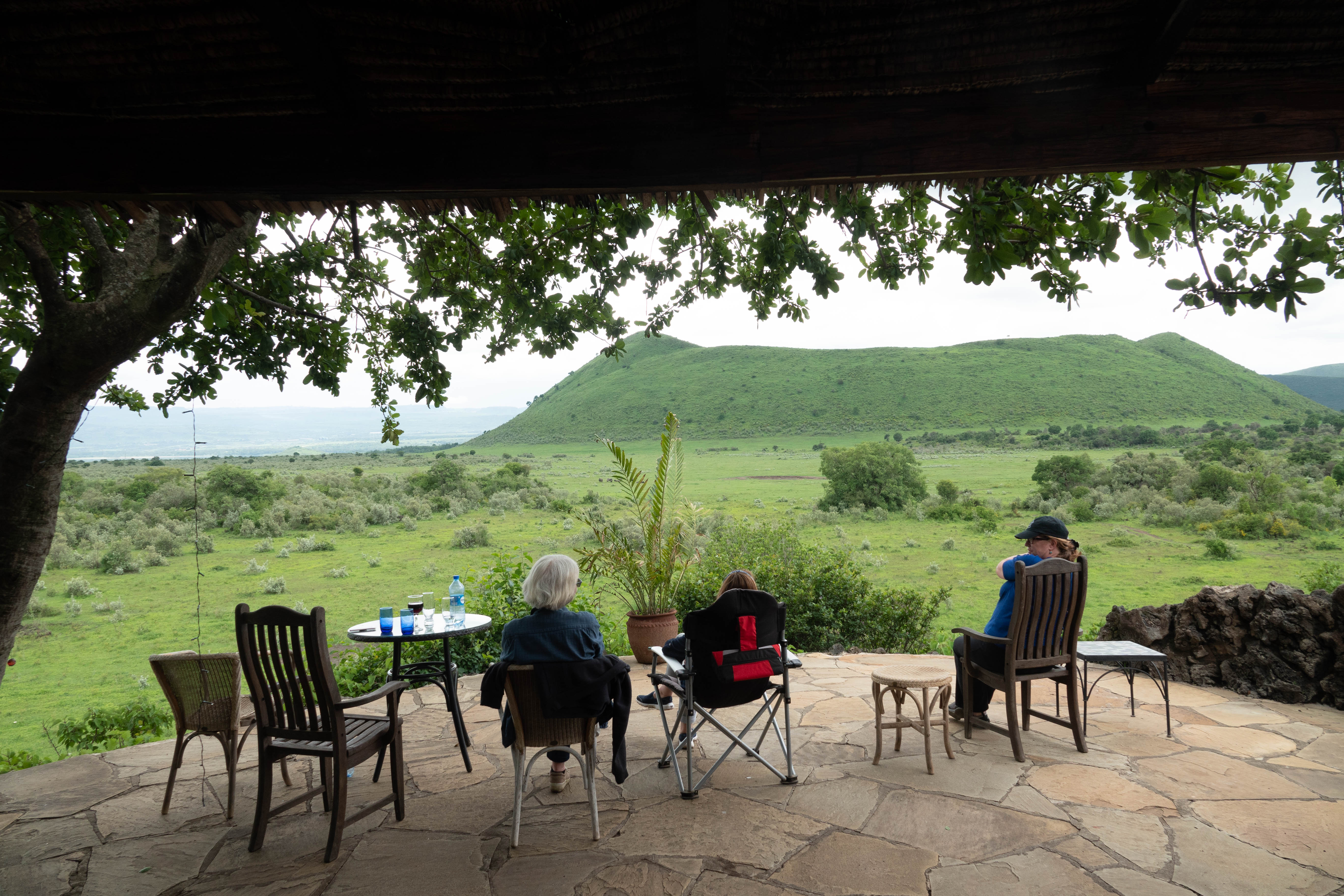
And then we had lunch, taking care to stay on the verandah because Rowena regularly sees leopards prowling around the terrace!
I did an earlier post from Soysambu Conservancy’s Lake Elementeita, about flamingos. Here’s the link in case you missed it: https://eyesonthewild.blog/2018/06/28/in-the-pink/
If you’d like to know more about their conservation work, read here: