I spent the last three weeks in England, and my first day back in Maine is always special. I settle down into this magical place with a sigh of delight and comfort. Here’s what I saw and heard that first June day: nothing dramatic, but the fabric of my world.
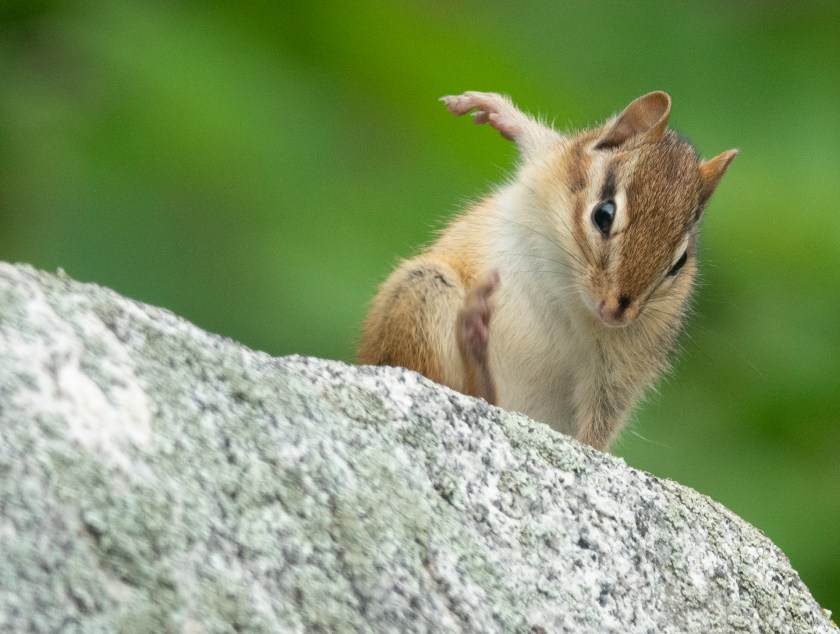
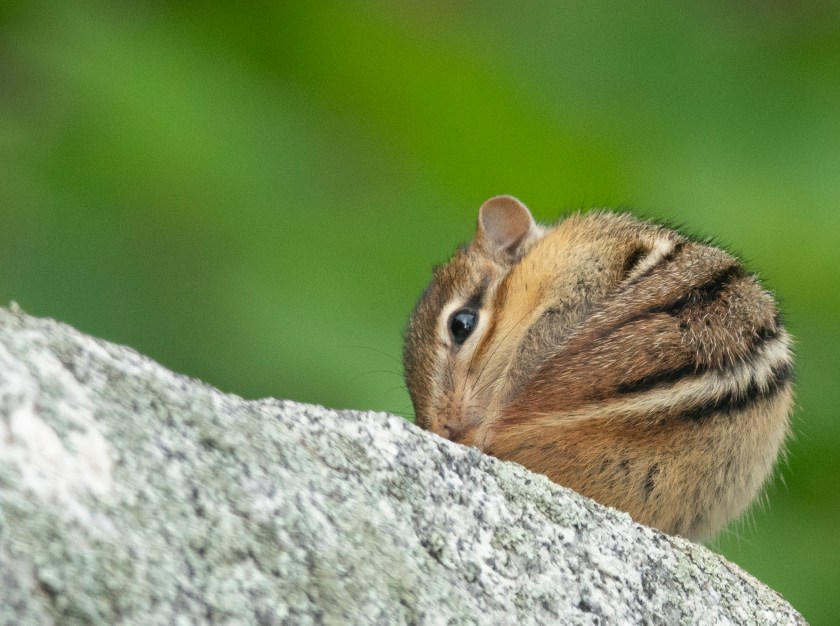
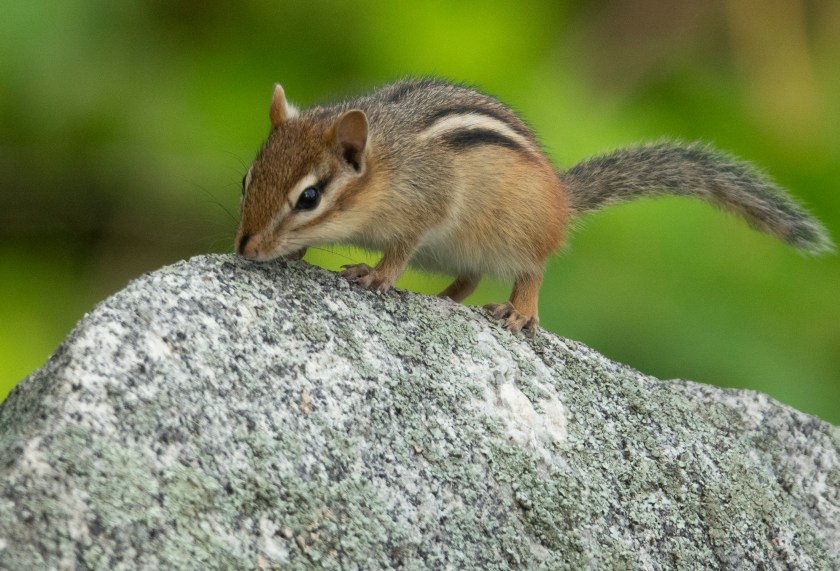
A chipmunk, grooming, not bothered by me so, long as I stayed in my chair and sipped my wine:
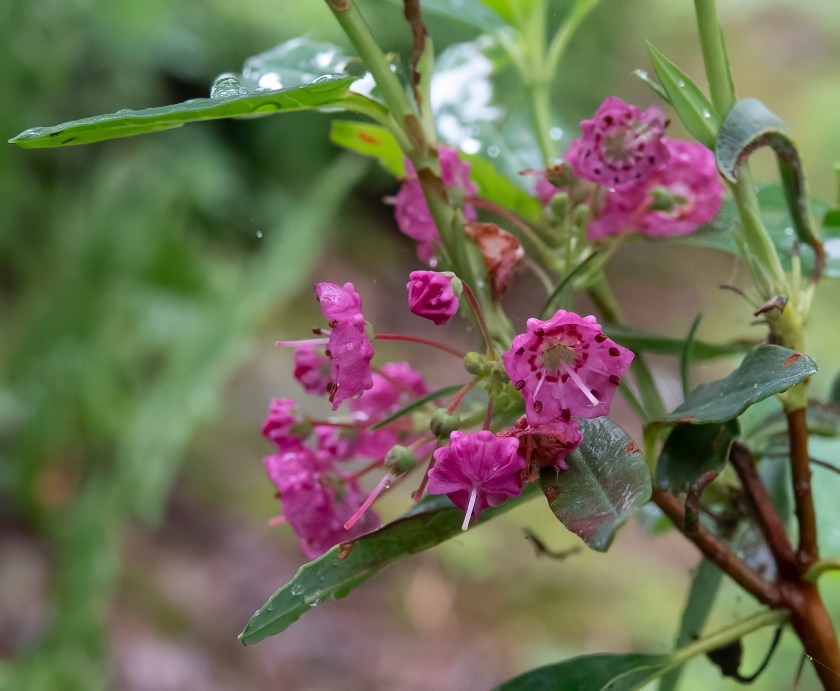
Sheep Laurel, Kalmia angustifolia, in flower by the beaver pond:
A minute scarlet jelly fungus, Tulasnella aurantiaca, on a rotting log:
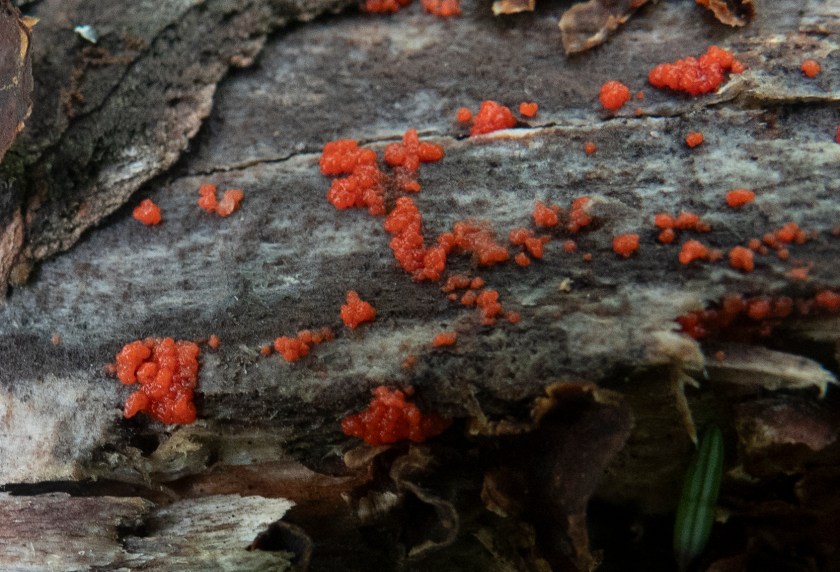
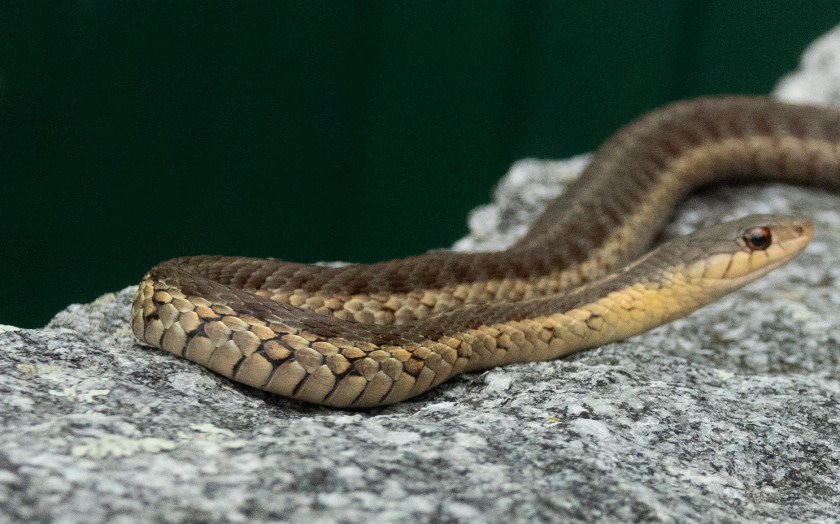
Two garter snakes on my garden wall, a favorite place when the granite has been warmed by a day of sun. Only one was willing to pose:
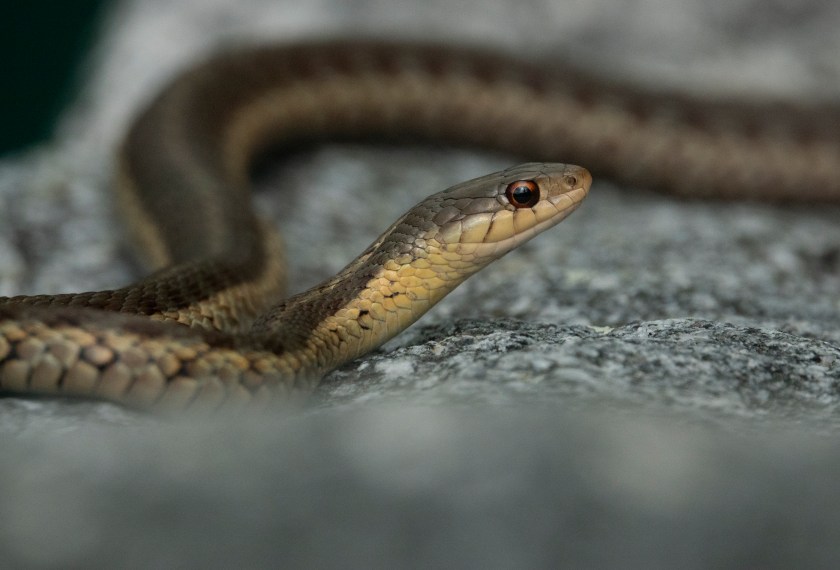
with sleek bronzed scales:
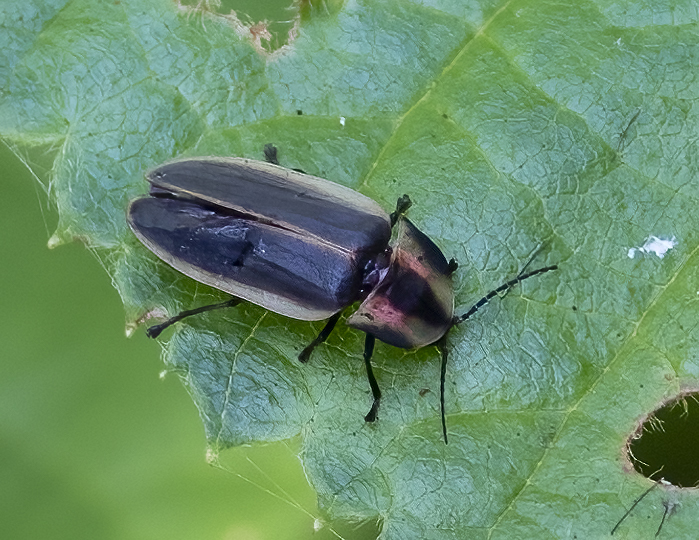
As evening fell, there were fireflies by the small vernal pool in the field, impossible to photograph, but like having fairies in the garden. The flashes are made by this Say’s Firefly, Pyractomena angulata.
After dark an Eastern Whip-poor-will, Antrostomus vociferus, called from right outside my window. A sort of nightjar, their scientific name reflects the fact that they are very, very loud, but I was delighted to hear it because they have become quite rare, classified as Near Threatened.
It is in the same place every evening, and one dusk it started up while it was still light, so I went out to try and see it. It flew up, and away, and I was sorry I had disturbed it, but it was back the next night. They nest on the ground, and I have looked, to no avail.
And then, at about 4am, a fox barked, sharp and rasping, very close to the house.
A wild and savage sound to welcome me home.
PS In London, foxes wander round Brompton Cemetery in broad daylight:
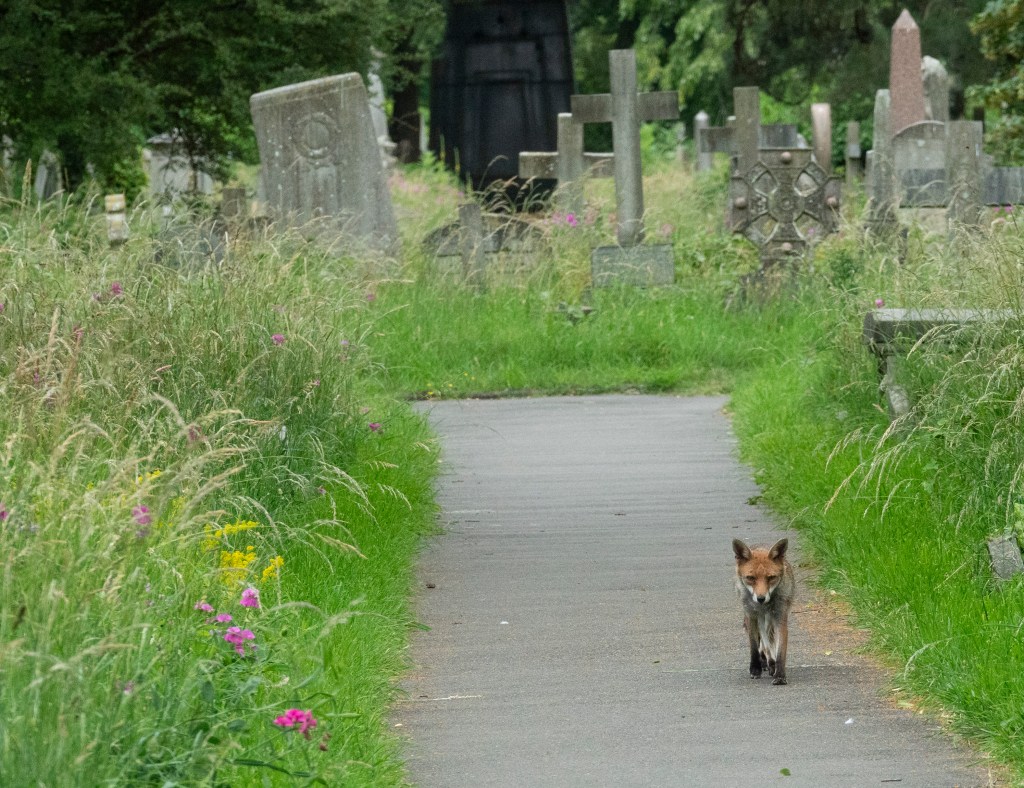
But here in Maine they are usually wary and I have never heard one bark by the house before.
PPS Google AI produced this excellent summary of how the firefly’s light flash is made:
“Fireflies produce their signature glow through a chemical process called bioluminescence, which operates in a specialized organ called a lantern in their abdomen. This reaction is highly efficient, converting nearly 100% of its chemical energy into light without producing heat. [1, 2, 3]
The mechanism involves four key components mixing in the insect’s light cells (photocytes): [1, 2]
- Luciferin: A light-emitting compound.
- Luciferase: An enzyme that acts as a catalyst to speed up the reaction.
- ATP (Adenosine Triphosphate): The fuel for cellular work.
- Oxygen: The trigger for the glow. [1, 2, 3, 4]
When the firefly takes in oxygen, the luciferase enzyme facilitates the binding of luciferin and ATP. This oxidation process creates an unstable, high-energy molecule. As this molecule quickly drops back to a lower energy state, it releases the excess energy as a visible flash of light. [1, 2]”

