A marsupial duck?

We were still in Peru, but now further north and east of the Andes for three days, drifting along on the Ucayali River, a tributary of the Amazon:

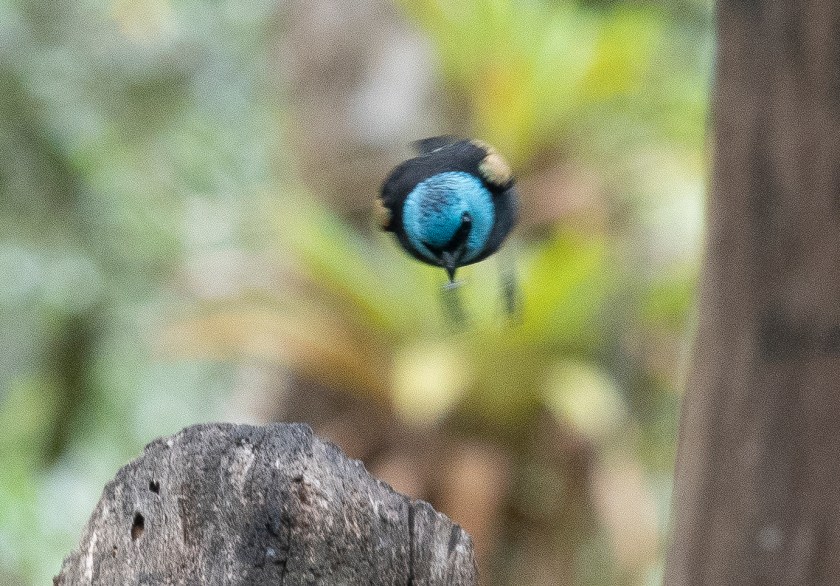
The Sungrebe, Heliornis fulica, is a most unusual bird. It’s not actually a grebe, despite its name.
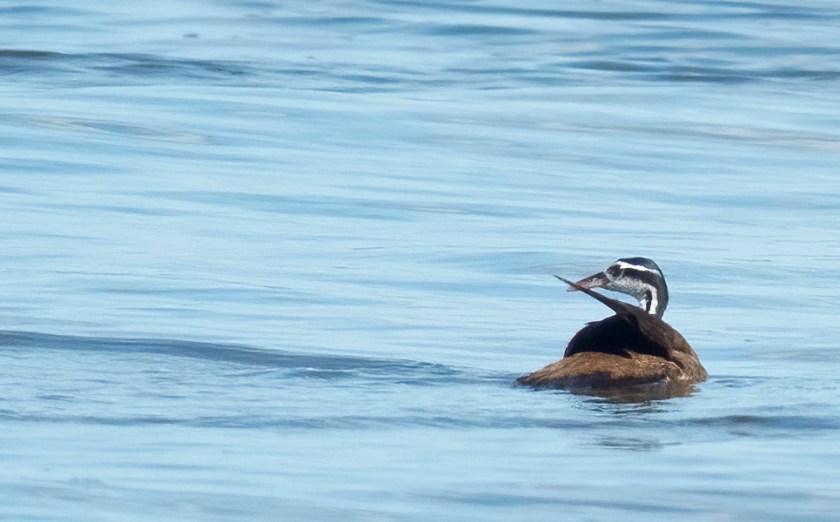
A shy bird of the Amazon basin, it only weighs about 130g, or 4oz. When disturbed, it flies low over the water:
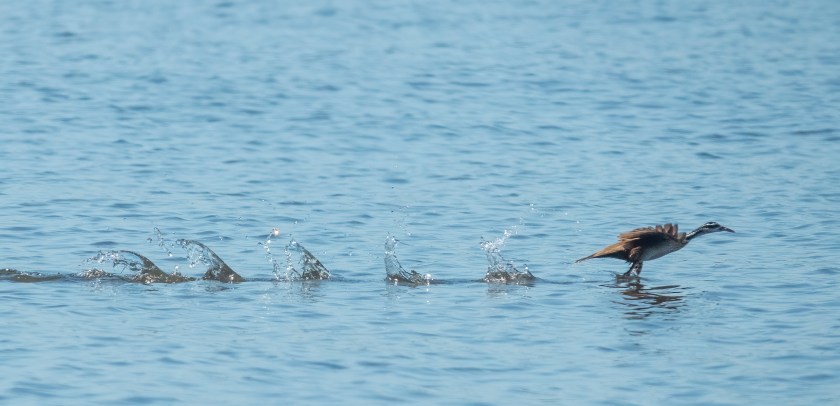
Its tail in flight is bigger than most other aquatic birds:
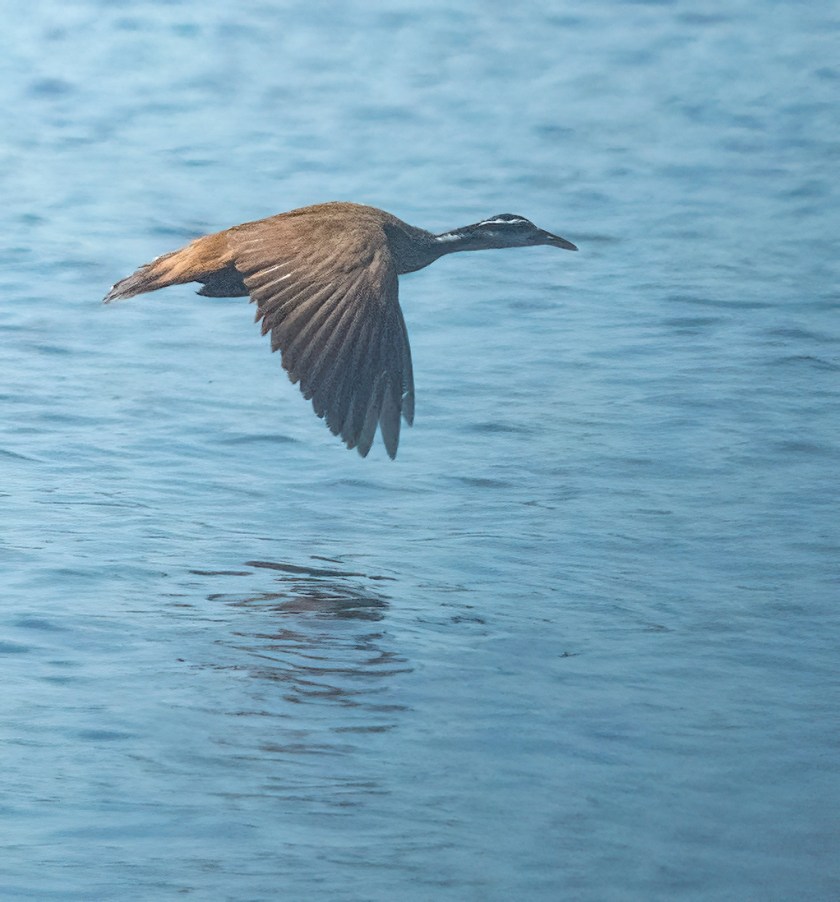
It is most closely related to the rails, but its main claim to fame is a unique child-rearing adaptation found in no other bird in the world.

The Sungrebe egg incubation period is very short, 10-11 days, and the young are born completely featherless with only partly formed bills and feet. They are helpless. So the father takes charge. Cornell’s Birds of the World explains: “After hatching, the male parent is more active in caring for the young, sheltering them in a shallow pocket under his wing, which is formed by a pleat of skin. The pocket is made more secure by the feathers on the side of the body. The young are carried this way even during swimming and flying.”

I highly recommend this discussion of how this might be done:

https://tetzoo.com/blog/2018/11/29/pouches-of-the-sungrebe

As they get a little older, they may carry them on their back, like loons do:

Back in the day, we thought men who carried their babies around were fearless, breaking gender stereotypes, and seriously cool.
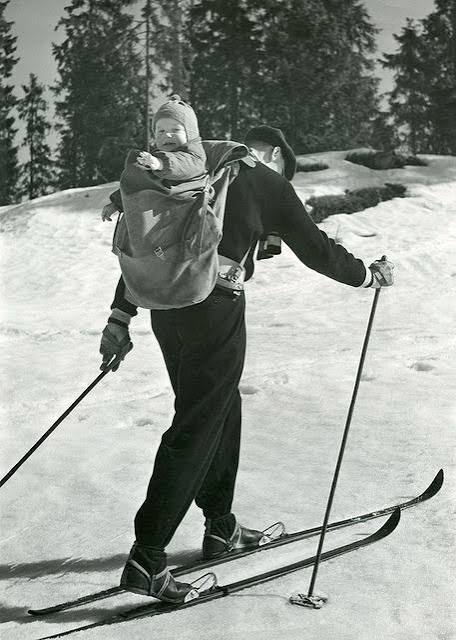
And indeed they were, but it turns out Sungrebes got there first.
Flying jewellery

The cloud forests are inhabited by a plethora of rainbow birds, flitting through the thick vegetation, hiding behind leaves, and rarely stopping long enough for me to enjoy. So lodges often put out feeders for hummingbirds, tanagers, and other passing species, and that gave me a chance to see some.

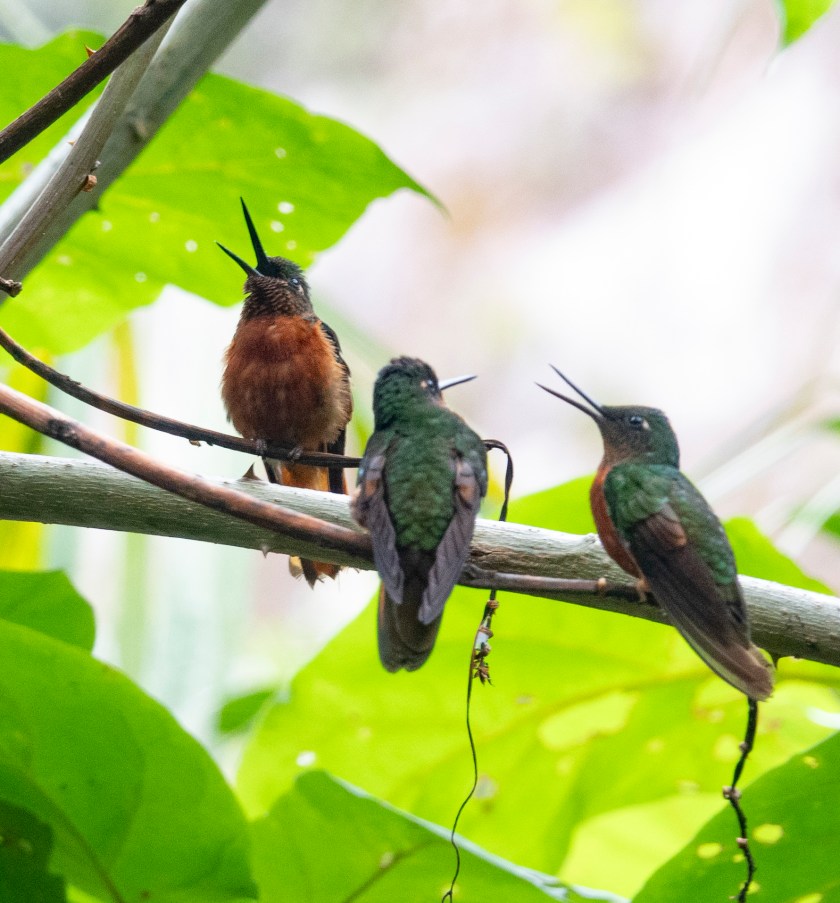
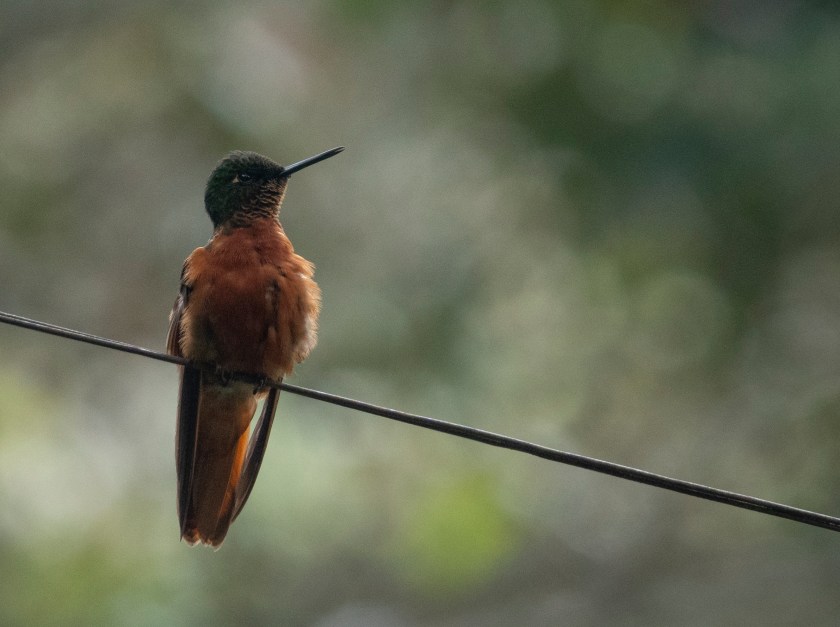
Chestnut-breasted Coronets are a type of hummingbird, and very argumentative:

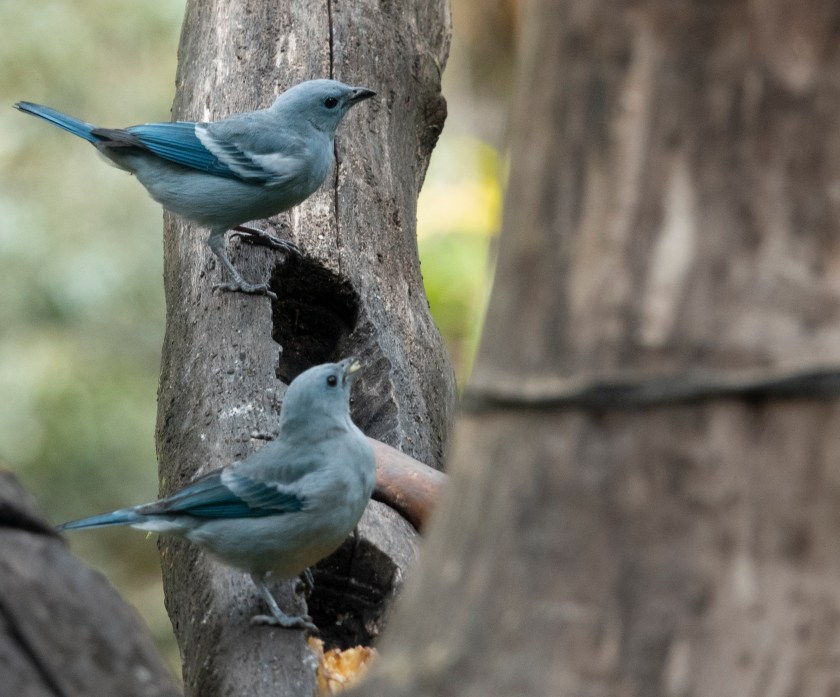
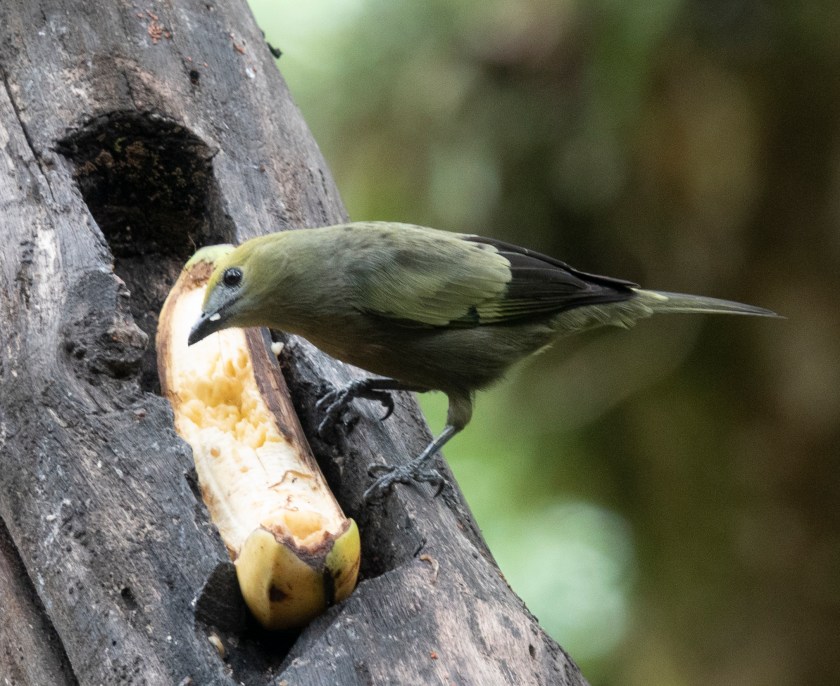
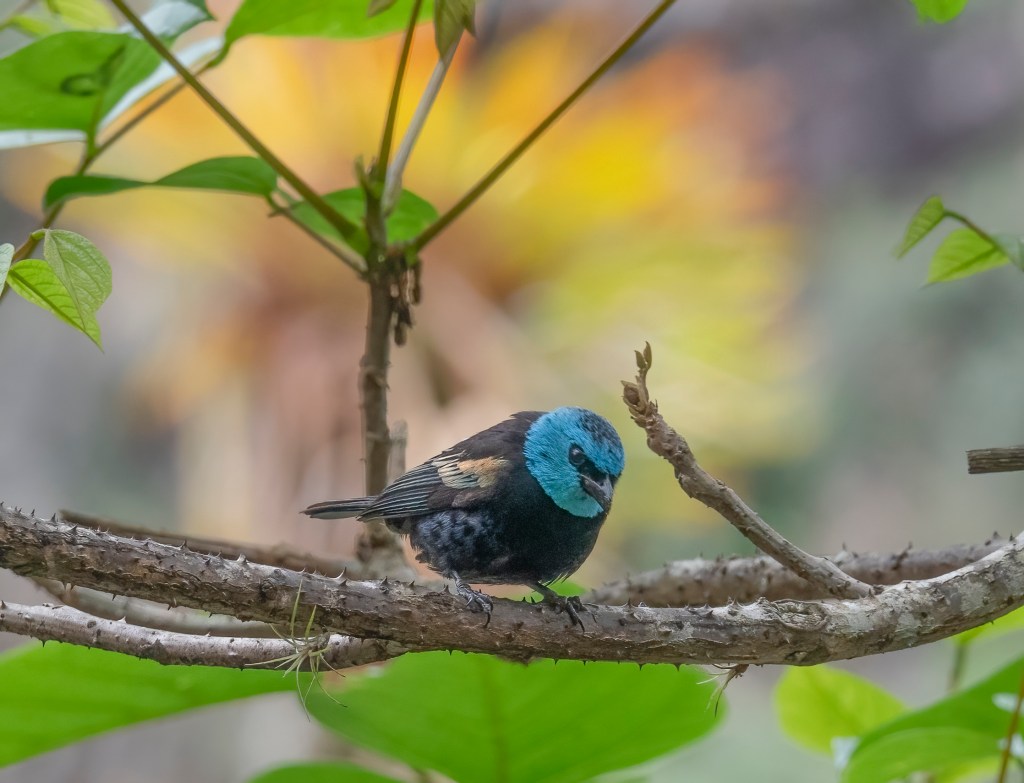
Tanagers, by and large, seem more peaceable:

Blue and Grey Tanagers
Palm Tanager

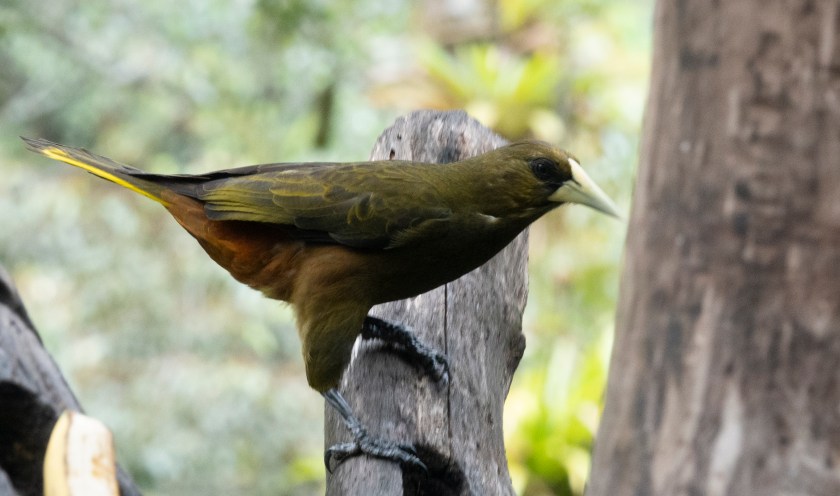
The hotel leaves out fruit for them, which attracts not only them but also larger birds like a Dusky Green Oropendola:

Dusky green oropendola

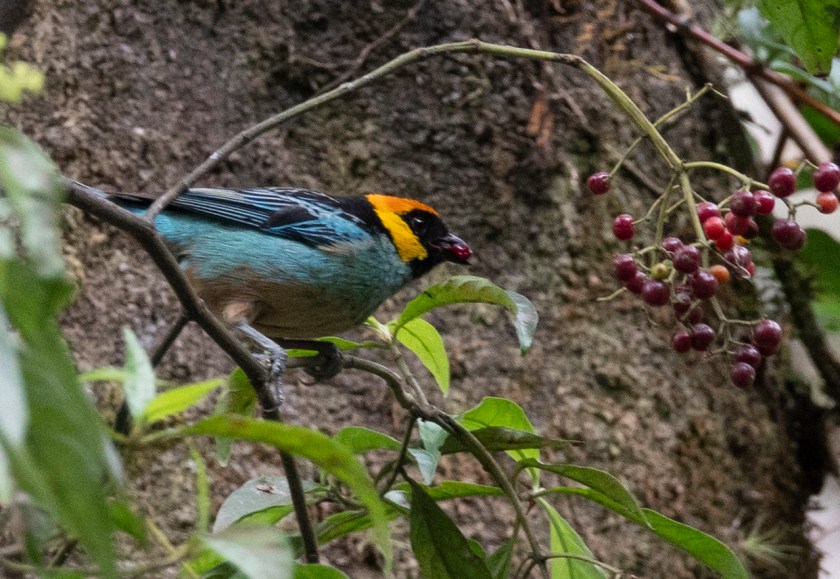
The tanagers forage for forest fruits:

Saffron crowned tanager

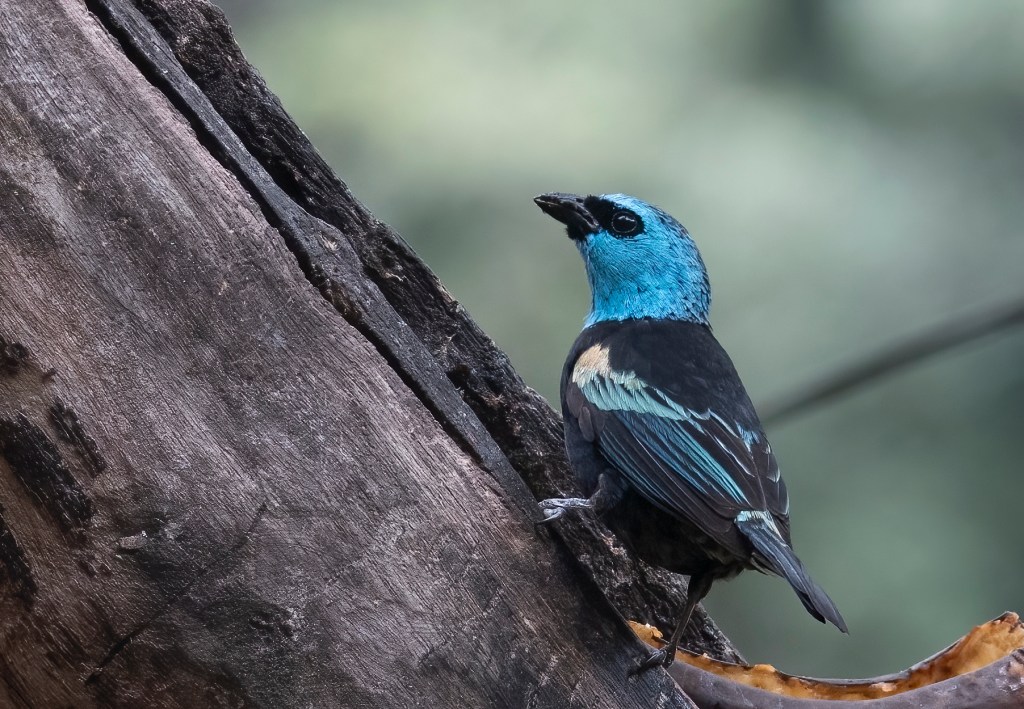
but they cannot resist the free offerings:

Blue necked tanager

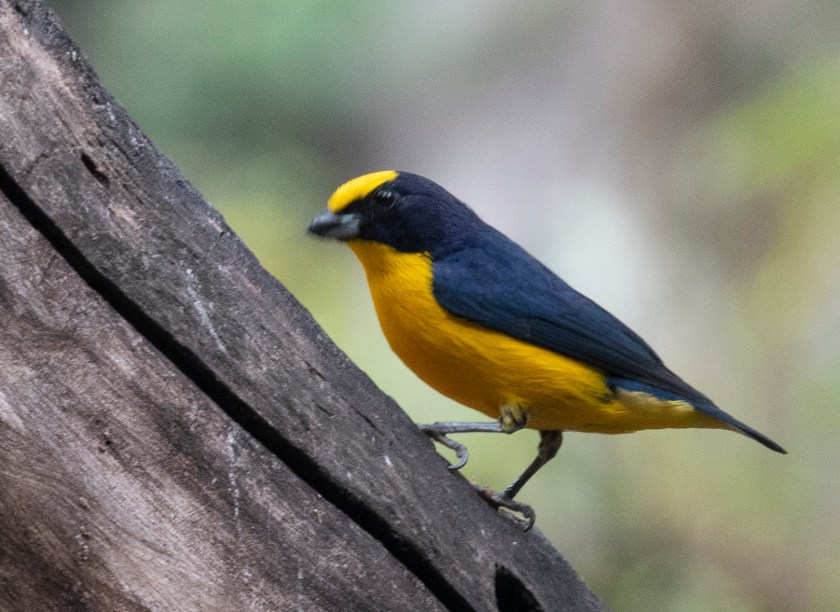
There were other fruit-feeding birds in mixed flocks with the tanagers:

Thick billed. Euphonia, male
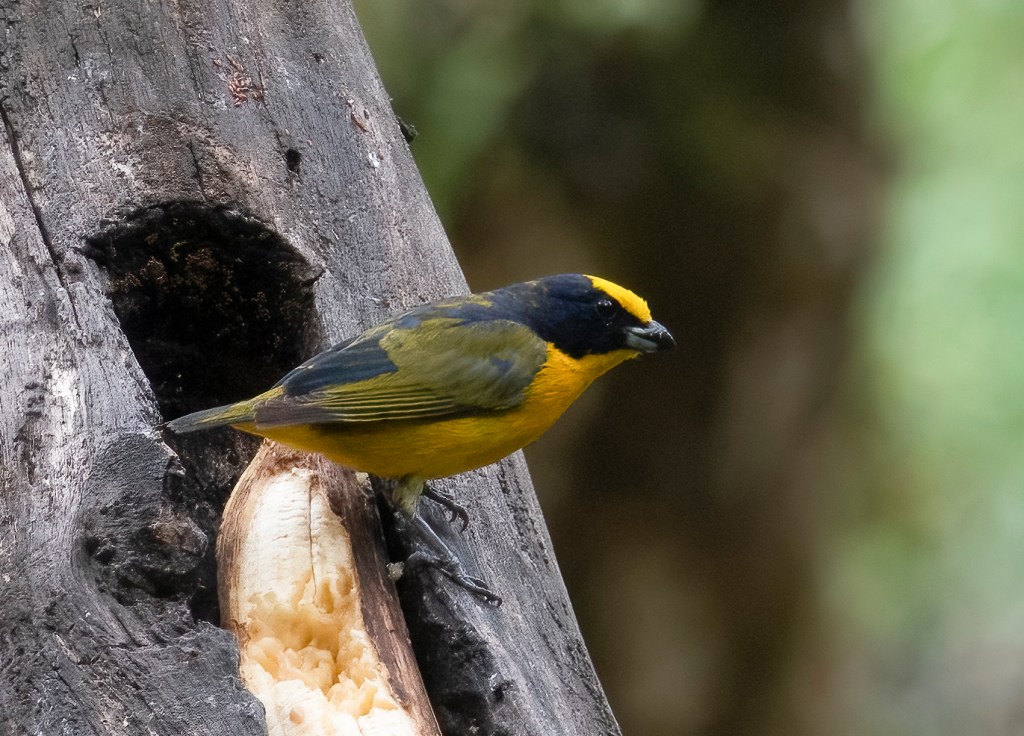
also a Thick-billed Euphonia, sub-adult male

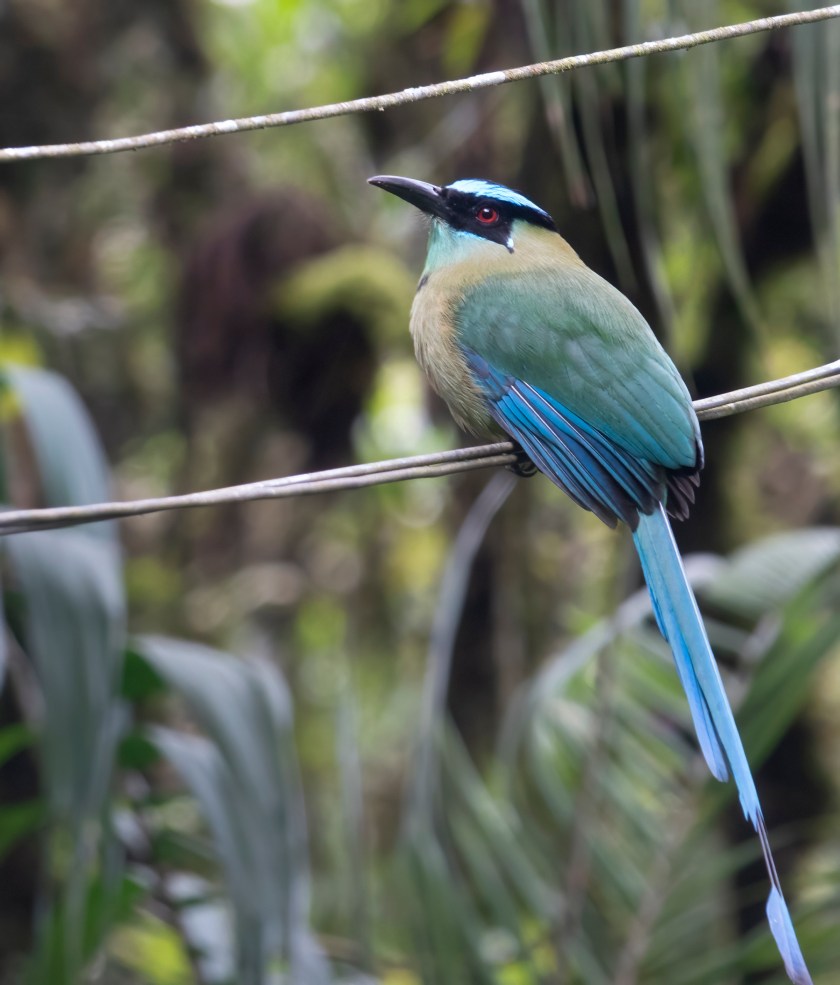
And hanging out in the grounds a glorious Andean Motmot:

Clouds of orchids: “Wingless birds in air”*

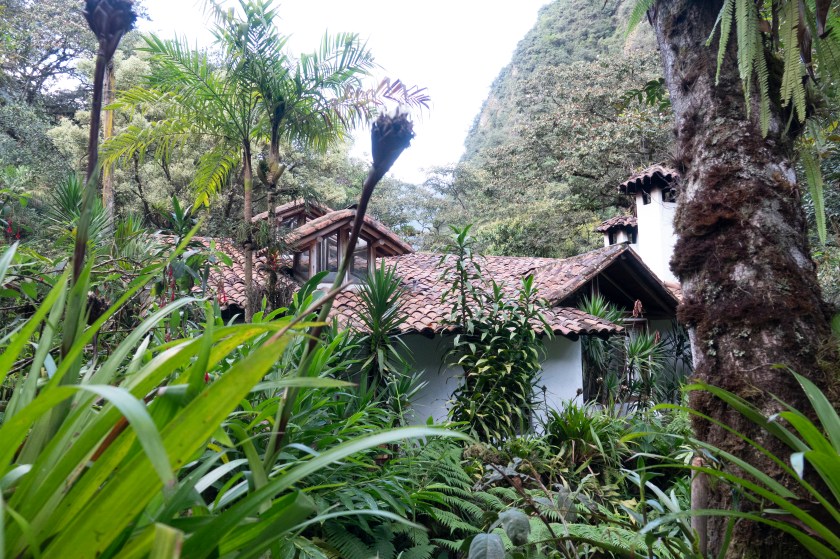
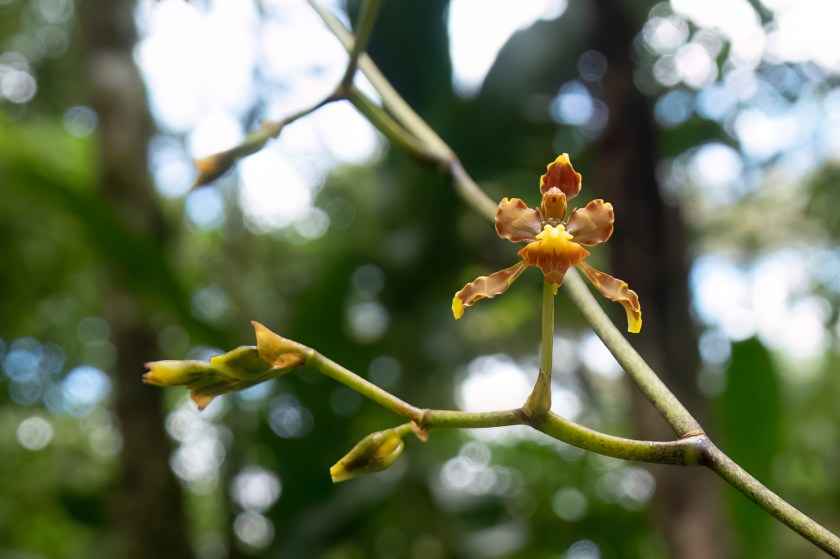
We stayed in the Inkaterra Macchu Picchu Pueblo Hotel, in the cloud forest, next to the station where the trains arrive from Cusco (or Cuzco). It is a thirty minute bus ride from there to the archaeological ruins. The hotel was once a tea plantation, and is surrounded by lush grounds, including an orchid collection, and lots of birds. I thought you’d like to see some orchids. I have identified them when I can, with the help of iNaturalist of course.

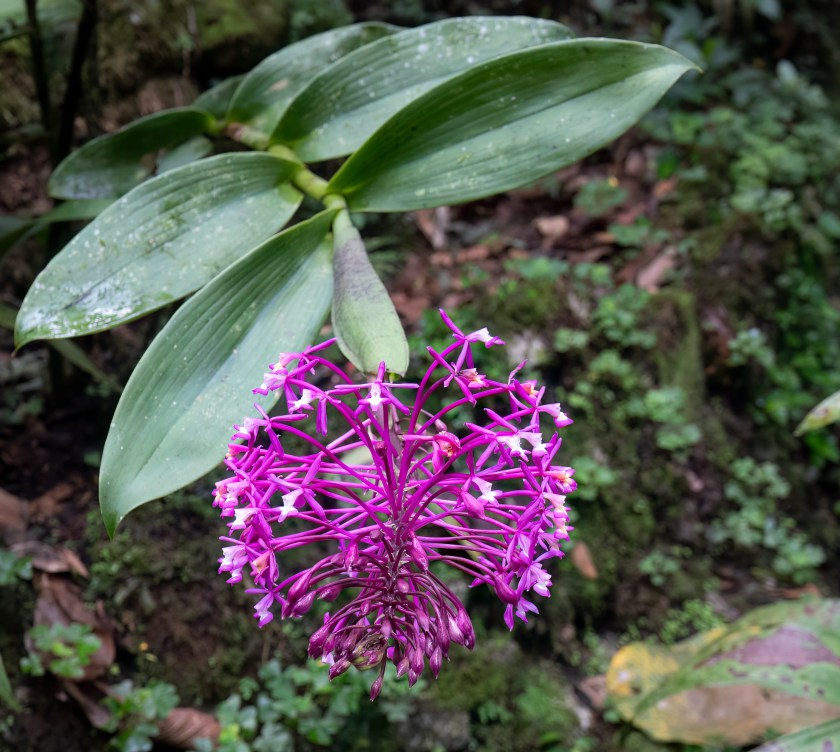
Many of these orchids are epiphytes, using another plant as their home base, and getting nutrition and water from the air, rain, and any debris on which they grow. They are not parasites on their host plant.The humidity of the cloud forest is ideal habitat for them. Some were hard to miss, flamboyant in the way we expect orchids to be:

Epidendrum syringothyrus

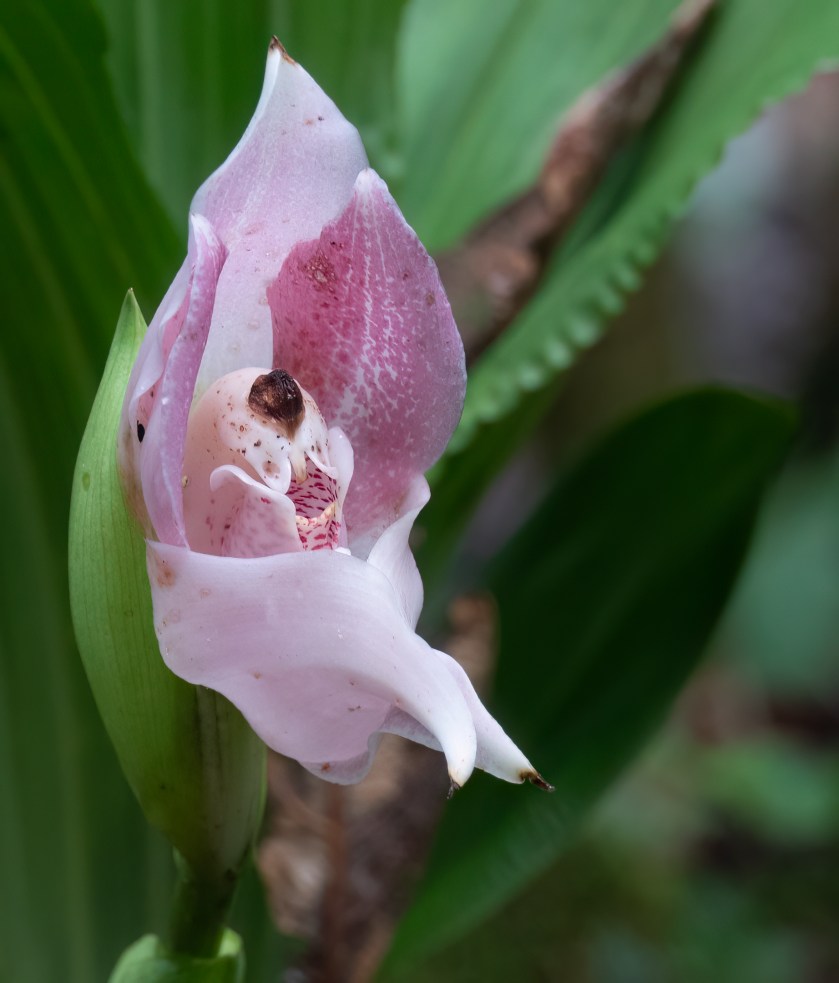
Anguloa virginalis
Epidendrum genus

Some hid shyly under their foliage and were easy to miss:

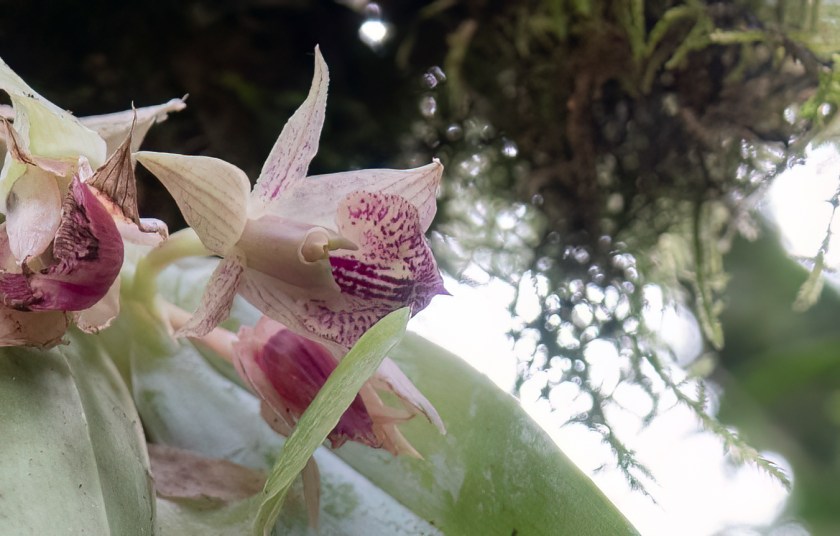
Kefersteinia orchid

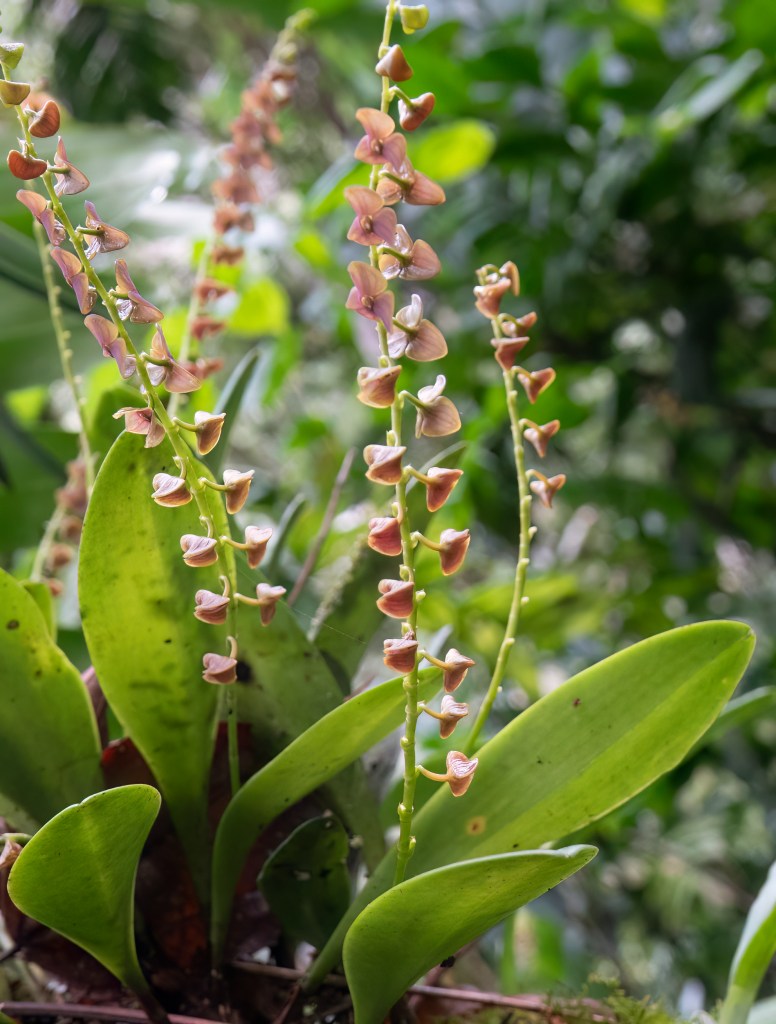
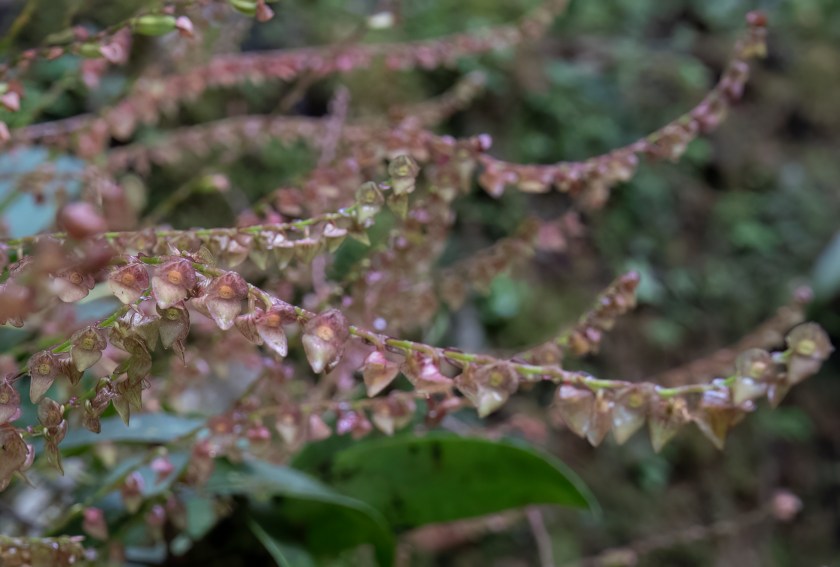
Others were smaller and more discreet, grouped many on a stalk.

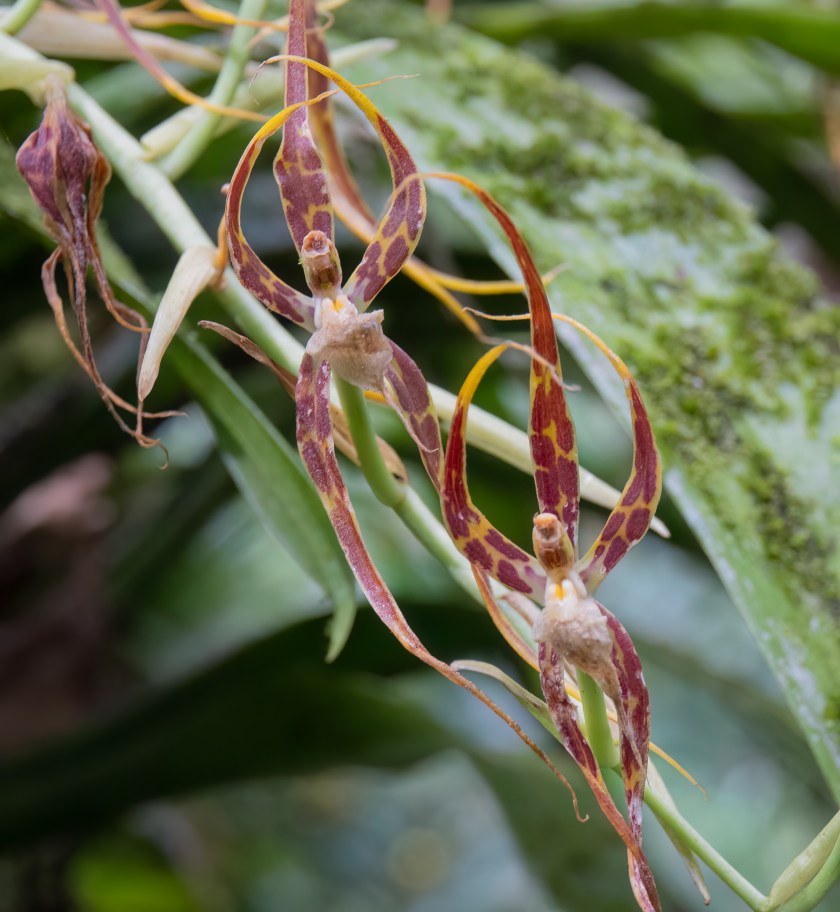
Brassia ocanensis

Golden Dancer Orchid

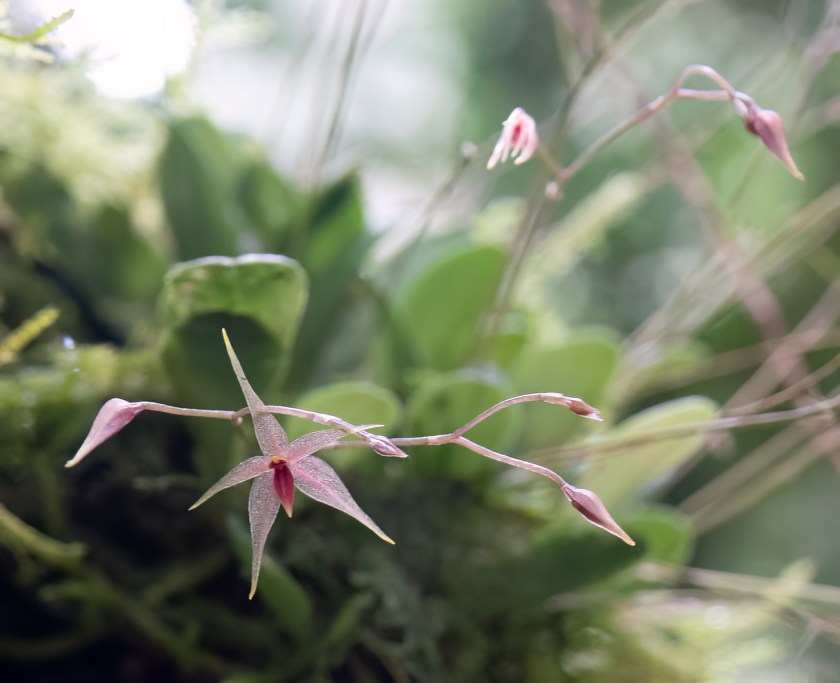
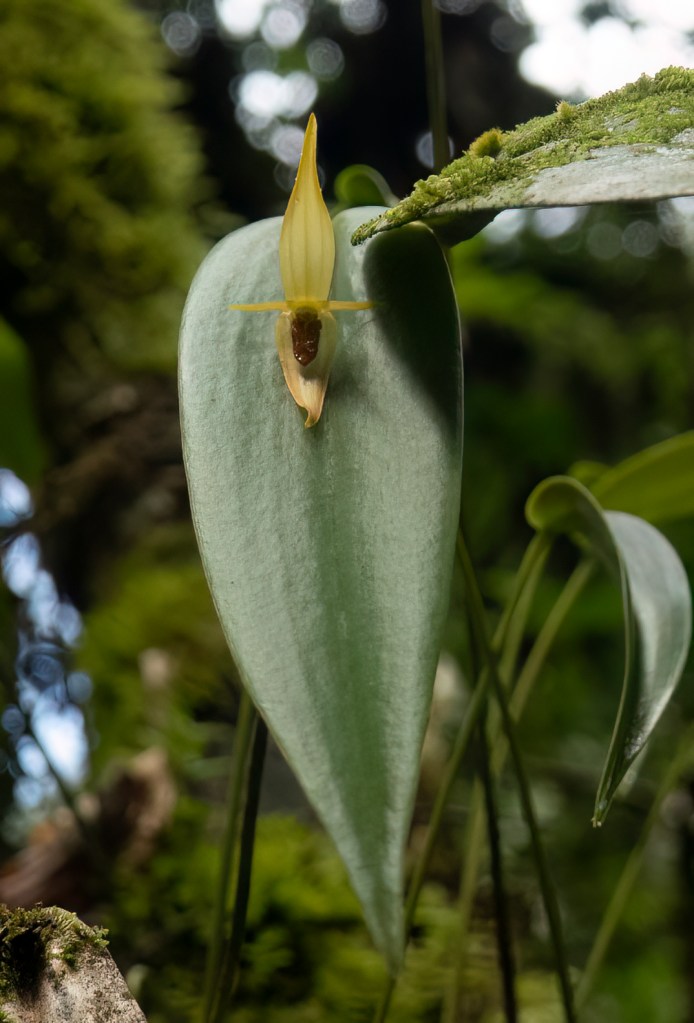
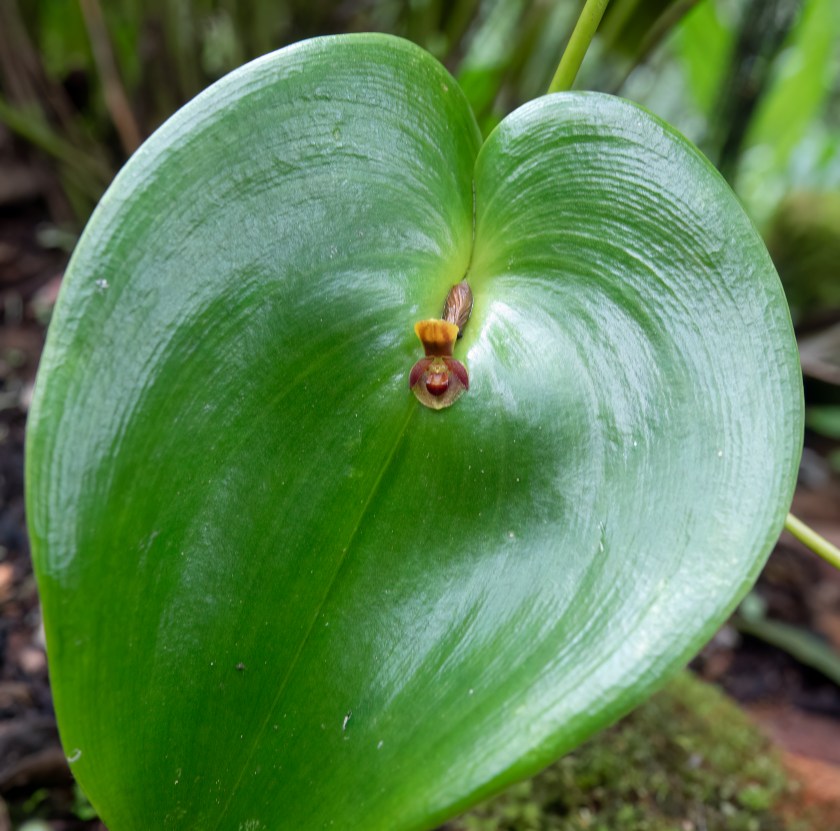
Many were very tiny, but exquisite once you found them.

The last two grew right out of the centre of the leaf

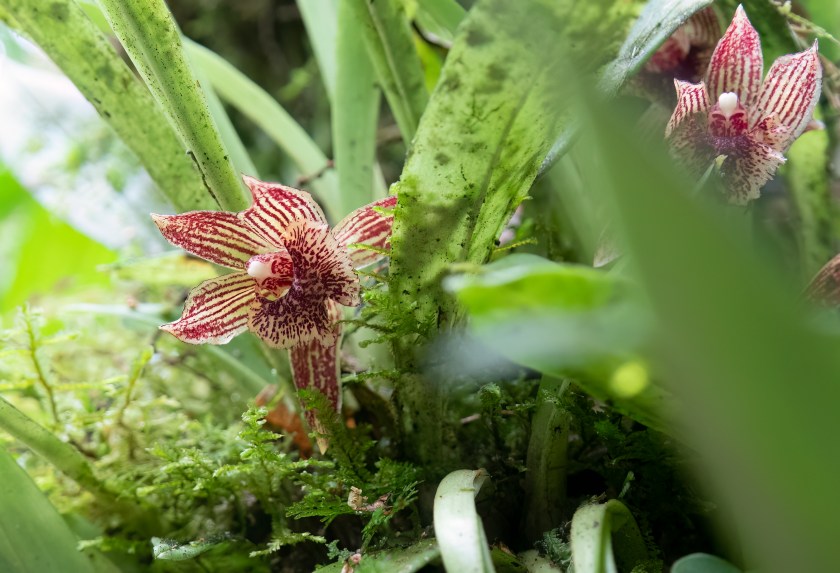
Pleurothallis microcardia
Heart-shaped Pleurothallis

I am starting to browse the orchid catalogues….

* In 1906, the Peruvian poet José Santos Chocano, known as El Cantor de América, wrote this poem entitled The Orchids (translated by Alice Stone Blackwell):

Freaks of bright crystal, airy beauties fair,
Whose enigmatic forms amaze the eye—
Crowns fit to deck Apollo’s brows on high,
Adornments meet for halls of splendor rare!
They spring from knots in tree-trunks, rising there
In sweet gradation; winding wondrously,
They twist their serpent stems, and far and nigh
Hang overhead like wingless birds in air.

Lonely, like pensive heads, all fetterless.
Lofty and free they bloom; by no dull chain
Their flowers to any tyrant root are bound;
Because they too, at war with pettiness,
Desire to live, like souls that know no stain,
Without one touch of contact with the ground.

The Spanish original goes like this:

Caprichos de cristal, airosas galas
de enigmáticas formas sorprendentes,
diademas propias de apolíneas frentes,
adornos dignos de fastuosas salas.

En los nudos de un tronco hacen escalas;
y ensortijan sus tallos de serpientes,
hasta quedar en la altitud pendientes,
á manera de pájaros sin alas.

Tristes como cabezas pensativas,
brotan ellas, sin torpes ligaduras
de tirana raíz, libres y altivas;

porque también, con lo mezquino en guerra,
quieren vivir, como las almas puras,
sin un solo contacto con la tierra . . .